Confirm Certification Is Current, Not Just Claimed
Almost every traffic control company will tell you its crews are certified. Fewer will hand you the documentation without being asked twice.
OSHA 1926.201(a) requires flaggers on covered construction sites to be trained to MUTCD Part 6 standards, and those certifications expire, usually every two to three years. The obligation to verify does not sit with the individual flagger. It sits with the employer, and in practice, it lands on you when an incident happens on your site.
So ask for it in writing. A company running certified flagging crews will have current cards on file and will not hesitate to show them to you. If a vendor gets vague about expiration dates or offers to check on that and get back to you, you have learned something useful for the price of one question.
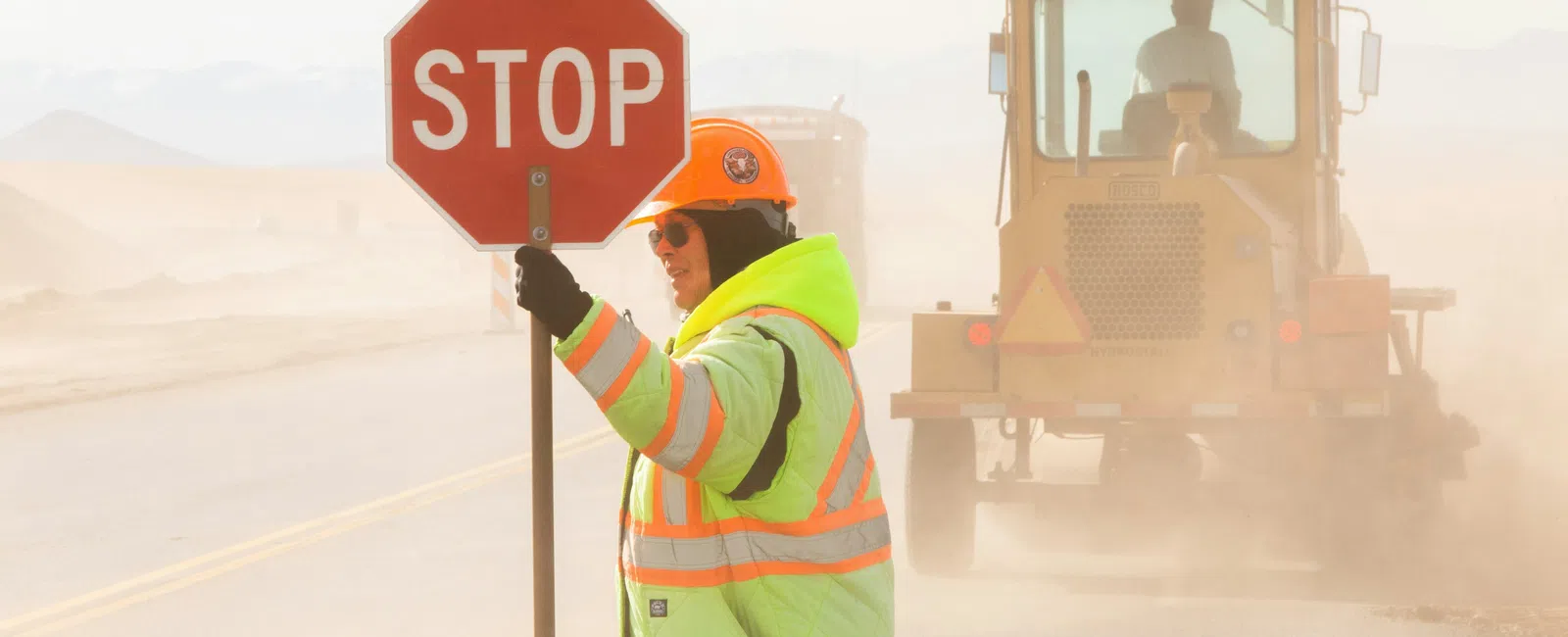
It also helps to understand what a traffic control flagger actually does before you evaluate anyone against the role. The job is far more judgmental than sign-holding, and knowing that changes what you look for in a crew.
Ask Which State DOTs They Actually Work In
This is where regional and national vendors separate, and it is the question most buyers skip.
GDOT, ALDOT, FDOT, SCDOT, and TDOT do not run identical playbooks. Permit lead times differ. Submittal formats differ. A standard detail that one state accepts, another kicks back. A crew that has run hundreds of jobs in Georgia may genuinely not know how Tennessee handles a lane closure on a state route.
If your project crosses state lines, or if you are working outside the metro you usually operate in, ask the vendor to name the last three jobs they ran under that specific DOT. Vague reassurance is easy to give. Specifics are not.
The same logic applies to traffic control plans and permitting. A company that can only supply bodies will hand the plan back to you and wish you luck. A company that handles the submittal knows the state well enough to get it approved the first time.
Find Out Who Picks Up the Phone
Schedules move. The weather turns. The utility crew hits something unexpected, and your Tuesday closure becomes a Thursday closure.
What happens next tells you more about a vendor than anything on their capabilities sheet. Some companies route you to a call center dispatching across a dozen states, with no idea what your job looks like. Others put you straight through to the person who assigns the crew.
Ask directly: when I call at 5 a.m. to move a closure, who answers, and can that person make the decision? Then ask for the number you would actually use. If the answer is a general line with a ticketing system behind it, factor that into the price, because you will pay for it later in the form of delays.
Check How Much of the Job They Can Cover
Flaggers are one piece of temporary traffic control. If you have to source the rest separately, you have just become the general contractor for your own work zone.
Ask what else the vendor brings. Can they supply arrow boards and message boards, or do you rent those elsewhere and coordinate delivery yourself? Can they coordinate with off-duty police officers when your closure requires enforcement authority that a flagger does not have? Do they handle event work if that is on your calendar?
Single-source coverage is not always worth paying for. On a two-hour shoulder closure, it hardly matters. On a six-week corridor project with shifting phases, every extra vendor is another schedule to align and another number to call when something slips.
Ask How They Handle the Days That Go Wrong
Any vendor performs well on a routine job in good weather. The real test is the bad day.
Ask what their response looks like when a crew member does not show, when a storm shuts the site down mid-shift, or when a crash closes the road you were working. Ask whether they staff for emergency response coverage or whether their crews are booked to capacity every single day, which means no slack in the system when something breaks.
You are not looking for a promise that nothing will go wrong. You are looking for evidence that they have a plan for when it does. A vendor who answers this well has been through it before. A vendor who has clearly never considered the question is telling you they have been lucky, not that they are good.
Questions Worth Asking on the First Call
- Can you send the current certification documentation for the specific crew assigned to my job?
- Which state DOT jurisdictions have you worked in this year, and on which projects?
- Who do I call when the schedule changes, and can that person make the decision?
- Do you supply the equipment, or do I coordinate that separately?
- What is your process when a crew comes up short or conditions shut the site down?
- What drives the cost on a project like mine?
That last question matters more than it looks. Pricing for traffic control services depends on scope, crew size, shift length, equipment, permitting, and location, so any vendor quoting you a flat number before they understand your project is guessing. A real quote comes after a real conversation.
Talk to a Crew That Answers
AQC Traffic Control has been running ATSSA-certified flagging crews across Georgia, Alabama, Florida, South Carolina, and Tennessee since 2017. We work with the regional DOTs every week, we answer our own phone around the clock, and we bring the plan, the permit, the equipment, and the crew. Call us today or reach out online to request a quote and share what your project looks like.