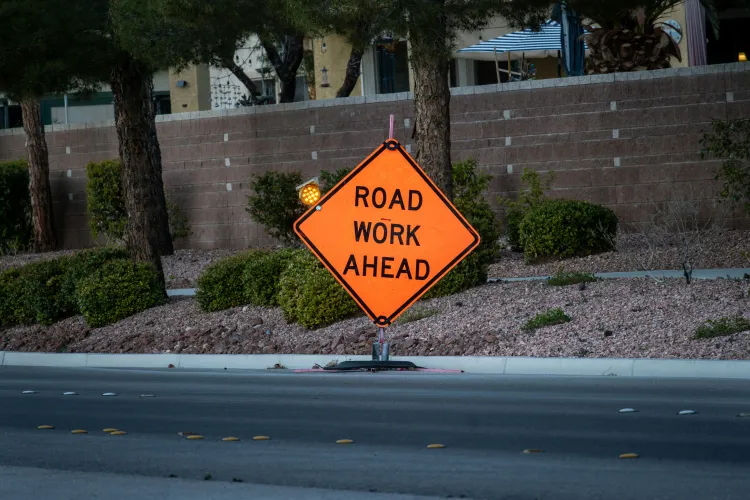
On a Georgia job site, the contractor is responsible for traffic control. Not the city, not the property owner, and not the crew that set out the cones. The contractor carries the plan, the permit, and any penalty, even though the agency is the one that issues the permit.
That split surprises people, so here is how it actually works: who is responsible for the traffic control, who pulls the permit, and which parts of the job a contractor can hand off.
The Contractor Owns the Traffic Control
On state work, the Georgia Department of Transportation (GDOT) is direct about it. The contractor's primary responsibility is the safe passage of pedestrian and vehicular traffic through the work zone. Before construction starts, the contractor has to submit a detailed temporary traffic control plan to the project engineer and get it approved. Everything downstream, the signs, the spacing, the flaggers, the closures, flows from that plan and sits on the contractor's shoulders.
The agency reviews and approves. The contractor executes and answers for it. That split is the single most important thing to understand about work zone responsibility in Georgia.
The Worksite Traffic Control Supervisor
GDOT requires a specific person to own the plan. On its projects, the contractor must designate a qualified Worksite Traffic Control Supervisor, or WTCS, whose traffic control responsibilities take priority over every other duty they are assigned. The role carries real authority. The WTCS is responsible for:
- Selecting, installing, and maintaining all traffic control devices in line with the MUTCD
- Making sure every device stays effective and matches the approved plan
- Supervising the setup before construction begins
- Reviewing any change to the plan before it goes to the project engineer
- Acting on the contractor's behalf in administering the whole plan
If the devices are wrong, the spacing is off, or the zone drifts out of compliance, the WTCS is the person accountable for fixing it. Many contractors do not have someone in-house who is trained and certified for this, which is one of the most common reasons they bring in a traffic control company.
Who Pulls the Permit
The permit follows the same logic as the plan. It belongs to the party doing the work, not the agency granting it.
In the City of Atlanta, obtaining all required permits is the responsibility of the project owner and its hired contractors. A lane, street, or sidewalk closure permit has to be pulled by the contractor through the city's online permitting system, and it is separate from the Qualified Contractor Permit the city also requires. The closure application has to include a temporary traffic control plan built to MUTCD standards before the city will approve it.
Where the work happens decides which agency issues the permit. That part trips up a lot of projects.
| Where the work is | Permit comes from |
|---|---|
| A state route or interstate right-of-way | GDOT (encroachment or lane closure permit) |
| A City of Atlanta street | City of Atlanta, Office of Transportation |
| A county road (for example, Cobb County) | That county's DOT or public works office |
| A road that ties into GDOT right-of-way | GDOT approval, even if the road is local |
A single project can touch more than one jurisdiction, which means more than one permit and more than one set of standards. Figuring that out before work starts is part of the job, and getting it wrong stalls the project.
Fines Follow the Contractor
Responsibility stops being paperwork at the point money changes hands. Under Atlanta's right-of-way rules, any fines levied by a regulating authority for failure to comply with the permit are the contractor's responsibility, and the contractor pays them.
That means an improperly signed closure, a missing plan, or a device left in the right-of-way overnight is not the agency's problem or the owner's problem. It lands on the contractor. Pair that with Georgia's work zone speeding penalties and the stakes of a sloppy setup get real quickly, both for the crew's safety and for the budget.
What a Contractor Can Delegate
Being responsible for traffic control does not mean doing all of it yourself. The responsibility stays with the contractor, but the work can go to a company like AQC that does this, which can take on the pieces most contractors do not want to staff internally:
- Drafting the traffic control plan to MUTCD and GDOT standards for the project engineer's approval
- Providing a certified WTCS to administer the plan on site
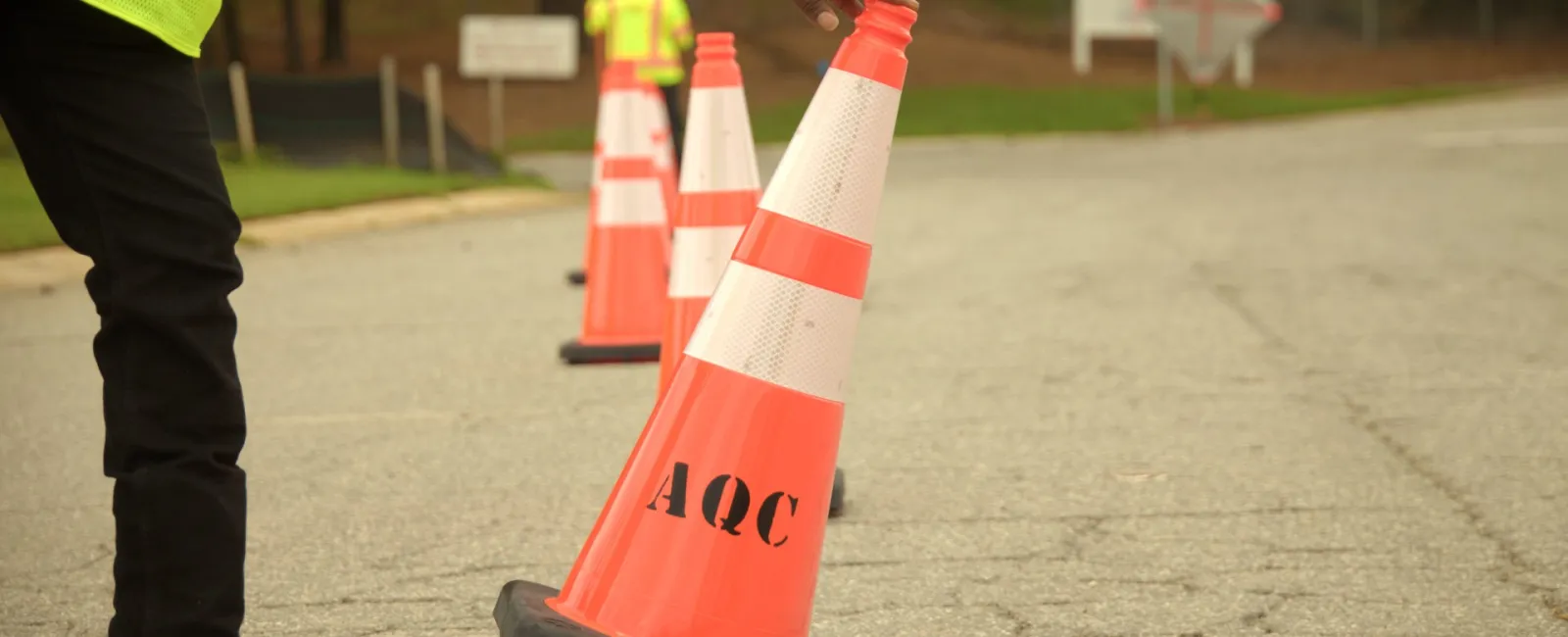
- Supplying and placing compliant signs, cones, and barricades
- Staffing certified flaggers for the closure
- Coordinating the permit paperwork with the right jurisdiction
The contractor still holds the responsibility on paper. What changes is that the plan is built right, the setup is compliant, and the person administering it actually knows the MUTCD. That is the difference between a zone that passes inspection and one that generates a fine.
Frequently Asked Questions
Is the contractor or the city responsible for traffic control? The contractor. The city or GDOT issues and approves the permit, but the contractor is responsible for creating the traffic control plan, setting up the work zone, and keeping it compliant. The agency approves; the contractor executes and answers for it.
Who pulls the lane closure permit in Georgia? The contractor performing the work, not the property owner or the agency. In Atlanta the closure permit is pulled through the city's permitting system and requires an MUTCD-compliant traffic control plan. On state routes it comes from GDOT.
What is a Worksite Traffic Control Supervisor? A qualified individual the contractor must designate on GDOT projects to administer the traffic control plan. The WTCS selects, installs, and maintains all devices to MUTCD standards, and their traffic control duties take priority over any other assigned work.
Who pays the fine if a work zone is not compliant? The contractor. Under Atlanta's right-of-way rules, fines for failing to comply with the permit are the contractor's responsibility, regardless of who physically set up the zone.
Can a contractor hand off traffic control to another company? Yes. A contractor can bring in a traffic control company to build the plan, provide a certified WTCS, supply equipment, and staff the closure. The legal responsibility still sits with the contractor, but the work is handled by specialists.
Running a Job in Georgia?
The responsibility stays with you. The work does not have to. A compliant plan, a certified WTCS, the right permit with the right jurisdiction, and a setup that passes inspection are all things you can hand to a company that does them every day.
If you are running a project in Georgia or across the Southeast, AQC Traffic builds the plan, staffs the zone, and keeps your closure compliant, so the only thing you carry is the work you came to do. Reach out to talk through your site or call today.