Rear-end collisions are the most common type of crash in work zones, accounting for approximately 70% of all work zone accidents according to Federal Highway Administration data. As professional traffic control specialists who set up and manage work zones daily across metro Atlanta and the Southeast, we at AQC Traffic Control witness firsthand how devastating these preventable crashes can be, and more importantly, we know exactly what causes them and how to stop them.
Every work zone we establish through our traffic control plans and permitting services is designed with one primary goal: preventing the rear-end collisions that injure workers and motorists every single day. Understanding why these crashes happen so frequently is the first step toward making work zones safer for everyone.
Why Rear-End Collisions Dominate Work Zone Crash Statistics
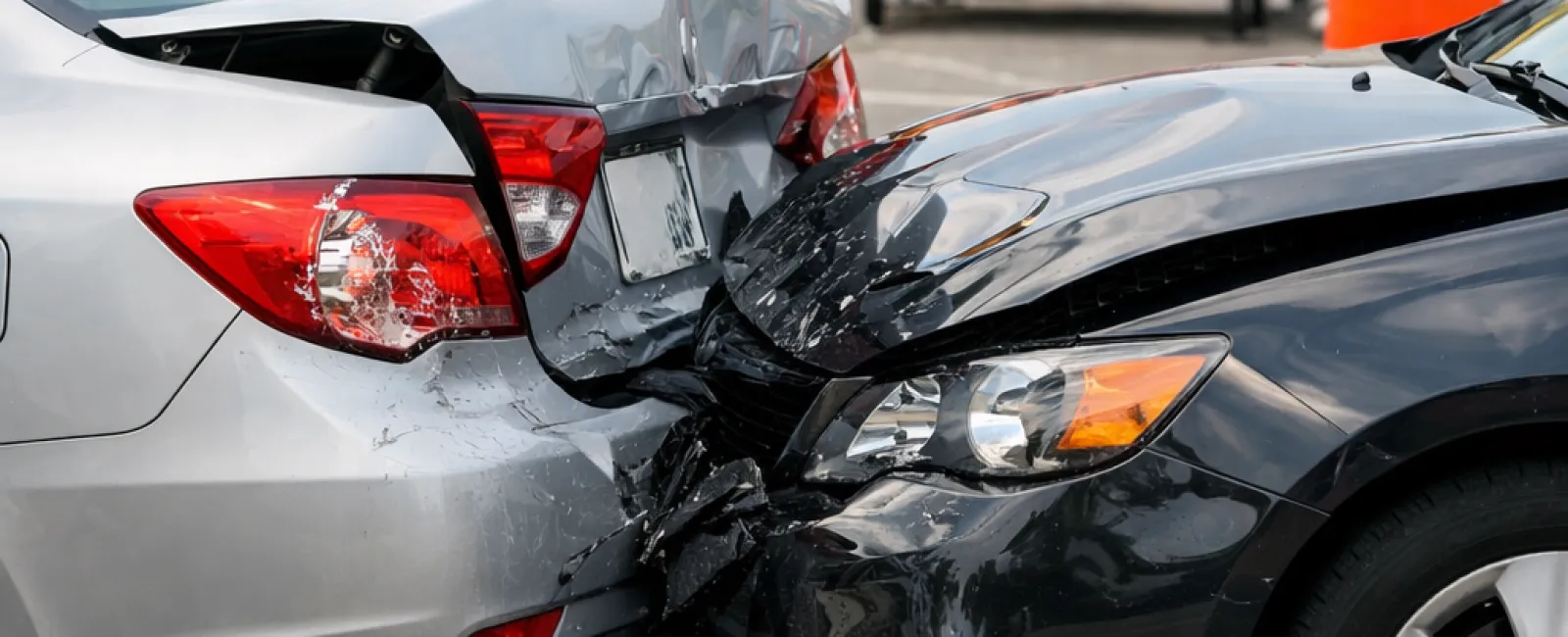
Rear-end collisions occur when one vehicle strikes the back of another vehicle. In work zones, this crash type overwhelmingly dominates accident statistics for several interconnected reasons stemming from the unique challenges work zones pose to drivers.
Sudden Speed Reductions
Work zones often require drivers to reduce speed dramatically, sometimes from 65 mph to 45 mph or lower within a short distance. When traffic ahead slows suddenly due to lane closures, equipment in the roadway, or congestion, following drivers who aren't paying attention or following too closely can't stop in time. The result: a rear-end collision.
Our ATSSA-certified team designs comprehensive traffic control systems that provide adequate advance warning of speed reductions, giving drivers sufficient time to slow gradually rather than brake abruptly.
Unexpected Lane Changes and Merges
Work zone lane closures force drivers to merge, often at the last minute. When a vehicle ahead suddenly changes lanes to avoid a closed lane, the driver behind must brake quickly. If they're following too closely or distracted, a rear-end collision becomes almost inevitable.
This is why proper taper design and advance warning signage are critical components of every traffic control plan we implement. Drivers need time to recognize lane closures and merge safely without creating sudden stopping situations.
Driver Distraction in Work Zones
Ironically, work zones themselves can distract drivers. Motorists often look at workers, equipment, or construction activity rather than focusing on the traffic ahead. This "rubbernecking" effect means drivers don't notice when vehicles ahead slow or stop until it's too late.
According to National Highway Traffic Safety Administration research, distracted driving contributes to over 80% of rear-end collisions in work zones. When a driver's eyes leave the road for even two seconds at 60 mph, they travel 176 feet completely blind, more than enough distance to close the gap to the vehicle ahead.
Inadequate Following Distance
Most drivers follow too closely under normal conditions. In work zones where stopping distances increase due to uneven pavement, reduced visibility, or changing traffic patterns, insufficient following distance becomes deadly. Crashes in work zones are most commonly the result of tailgating combined with distraction.
Standard guidance recommends a three-second following distance under normal conditions. In work zones, this should increase to 4 or 5 seconds to account for unpredictable traffic and potential hazards.
The Devastating Impact of Work Zone Rear-End Collisions
While rear-end collisions might seem less severe than other crash types, work zone rear-end crashes cause significant damage, injuries, and fatalities every year.
By the Numbers: Work Zone Crash Statistics
Federal Highway Administration data reveals the scope of the problem:
- Over 100,000 work zone crashes occur annually in the United States
- Approximately 700 people die in work zone crashes each year
- Rear-end collisions represent 70% of all work zone accidents
- More than 85% of work zone fatalities are motorists, not workers
- Work zone crash rates increase by 14% during peak travel times
Behind every statistic is a preventable tragedy. As a company providing emergency-response traffic control, we've responded to work-zone accidents and seen the aftermath firsthand. Proper traffic control can prevent these crashes.
Common Injuries from Rear-End Work Zone Collisions
Even "minor" rear-end collisions in work zones often result in serious injuries:
- Whiplash and neck injuries: The sudden forward-then-backward motion causes soft tissue damage
- Back and spine injuries: Herniated discs and spinal cord damage from impact forces
- Head injuries: Concussions from hitting the steering wheel, headrest, or airbag deployment
- Facial injuries: From airbag deployment or striking interior vehicle surfaces
- Psychological trauma: Anxiety, PTSD, and fear of driving that persists long after physical injuries heal
For workers in the zone, rear-end collisions pose an even greater threat. A vehicle losing control after a rear-end impact can veer into the work area, striking unprotected workers. This is precisely why proper traffic control and positive protection measures are non-negotiable.
Why Work Zones Create Perfect Conditions for Rear-End Crashes
Work zones don't just increase crash risk; they create a unique environment where rear-end collisions become dramatically more likely. Understanding these factors helps explain why professional traffic control is essential.
Reduced Sight Distance
Work zones often feature curves, hills, or equipment that limit how far ahead drivers can see. When visibility is restricted, and traffic ahead stops suddenly, drivers don't have sufficient warning to react. By the time they see brake lights, a collision is unavoidable.
When we develop traffic control plans, sight-distance calculations determine sign placement and advance-warning distances. Signs must be visible from far enough away that drivers traveling at the approach speed have time to perceive, recognize, decide, and respond, typically requiring 500 to 2,640 feet of advance warning depending on speed.
Unpredictable Traffic Flow
Normal highway driving involves relatively predictable traffic patterns. Work zones disrupt this predictability. Traffic might flow smoothly, then suddenly stop completely. Lanes shift unexpectedly. Speed limits change multiple times. This unpredictability means drivers who rely on cruise control or aren't fully attentive get surprised by sudden changes.
Narrowed Lanes
Work zones often feature narrower lanes than standard roadways. This reduces the margin for error; drivers can't swerve slightly to avoid a collision without risking a collision with barriers, cones, or adjacent vehicles. When the only option is braking, and the following distance is inadequate, rear-end collisions result.
Aggressive Driving Behavior
Some drivers become frustrated by work zone delays and drive more aggressively, speeding, tailgating, and making sudden lane changes. This aggressive behavior increases the risk of rear-end collisions for everyone in the work zone, not just the aggressive driver.
How Professional Traffic Control Prevents Rear-End Collisions
The most common collision in a work zone is a rear-end crash, but these accidents are largely preventable with proper traffic control. Our approach to work zone safety focuses on addressing all factors that contribute to rear-end collisions.
Advanced Warning Sign Systems
We deploy sequential warning signs at carefully calculated distances before work zones. A typical high-speed work zone might include:
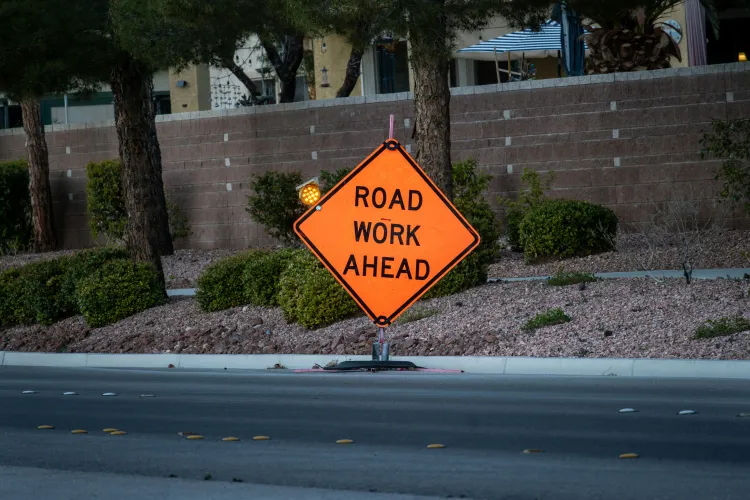
- First warning (1,000-2,640 feet): "Road Work Ahead" sign alerts drivers to changing conditions
- Speed reduction (500-1,500 feet): Work zone speed limit posted with "Reduced Speed Ahead" warning
- Lane closure notification (500-1,000 feet): "Right Lane Closed Ahead" or similar directional guidance
- Merge point (at taper beginning): Final warning before lane closure with merge arrow
This progressive warning system gives drivers multiple opportunities to recognize, process, and respond to changing conditions, dramatically reducing the risk of sudden braking that causes rear-end collisions.
Proper Taper Design and Length
The taper, where traffic shifts from the normal lane configuration to the work zone layout, is a critical crash prevention element. Tapers that are too short force sudden merges, which can cause rear-end collisions. Our team calculates taper length based on MUTCD standards, considering:
- Approach speed (higher speeds require longer tapers)
- Number of lanes closed
- Traffic volume
- Available sight distance
A properly designed taper allows smooth, gradual merging that maintains traffic flow and minimizes sudden speed changes.
Enhanced Visibility Through Arrow Boards and Lighting
Electronic arrow boards provide dynamic, attention-grabbing warnings that static signs can't match. When our equipment rental services include arrow boards, contractors get devices that:
- Create motion that naturally draws driver attention
- Clearly indicate which direction traffic should merge
- Remain visible in all weather and lighting conditions
- Warn of hazards before drivers are committed to the work zone
For nighttime work, proper lighting ensures drivers can see changing conditions, brake lights ahead, and lane configurations clearly, all of which are critical for preventing rear-end collisions.
Traffic Flow Management
In some situations, the most effective way to prevent rear-end collisions is to manage traffic flow directly. Our uniformed police officer services provide active traffic management that can:
- Slow traffic gradually before it reaches sudden stops
- Create gaps in traffic flow to facilitate safe merging
- Control traffic speed to maintain a steady flow rather than stop-and-go patterns
- Respond immediately to developing hazards or congestion
Active traffic management by trained professionals eliminates many situations that cause rear-end collisions.
Emergency Response When Rear-End Collisions Occur
Despite best efforts, crashes still happen. When they do, a proper emergency response is critical.
Our emergency response traffic control services provide immediate assistance when work zone crashes occur:
- Rapid scene protection: Deploying traffic control devices to prevent secondary crashes
- Traffic flow management: Rerouting traffic around crash scenes safely
- Coordination with emergency services: Working with police, fire, and EMS to manage the scene
- Debris clearance support: Assisting with rapid scene clearing to restore traffic flow
Secondary crashes, additional collisions that occur at or near the initial crash scene, cause significant injuries and delays. Professional emergency response traffic control prevents these secondary incidents.
The Bottom Line: Rear-End Collisions Are Preventable
The most common collision in a work zone is the rear-end crash, but it doesn't have to be. Through a combination of professional traffic control, proper work zone design, and responsible driver behavior, the vast majority of these crashes can be prevented.
At AQC Traffic Control, we don't just set up cones and signs; we design comprehensive traffic management systems that address every factor contributing to work zone crashes. Our ATSSA-certified professionals understand that behind every statistic is a real person whose life can be forever changed by a preventable crash.
Professional Traffic Control That Prevents Work Zone Crashes
Don't leave work zone safety to chance. AQC Traffic Control provides comprehensive traffic management services designed to prevent rear-end collisions, which dominate work zone crash statistics.
Our ATSSA-certified team designs MUTCD-compliant traffic control plans, deploys professional-grade equipment through our rental services, and provides emergency response capabilities when incidents occur. We serve metro Atlanta and the Southeast with the expertise and equipment to keep workers and motorists safe.
Call us at 470-480-0348 or request a quote online to discuss your traffic control needs.