Every day, drivers and pedestrians navigate roads safely thanks to traffic control devices: the signs, signals, markings, and physical barriers that guide traffic flow and prevent collisions. But what exactly are traffic control devices, and how do traffic control professionals like us at AQC decide which ones to use in different situations?
As ATSSA-certified traffic control specialists serving metro Atlanta and the Southeast, we deploy traffic control devices daily on projects ranging from simple lane closures to complex highway construction zones. Understanding what these devices are and when to use them is fundamental to creating safe, compliant work zones that protect both workers and the traveling public.
What Are Traffic Control Devices?
Traffic control devices are signs, signals, markings, and physical equipment used to regulate, warn, or guide road users. These devices communicate critical information about road conditions, hazards, regulations, and directions, all without requiring drivers to slow down or stop to read detailed instructions.
The Manual on Uniform Traffic Control Devices (MUTCD) governs the design, placement, and operation of all traffic control devices on public roads in the United States. This standardization ensures that a stop sign in Georgia looks and functions identically to one in California, creating consistency that drivers can rely on regardless of where they're traveling.
The 4 Types of Traffic Control Devices
Traffic control devices fall into four main categories, each serving specific functions in managing traffic flow and safety:
1. Traffic Signs
Signs are the most visible and familiar traffic control devices. They provide regulatory requirements (what you must or must not do), warnings (what hazards exist ahead), and guidance (where you are and where you're going).
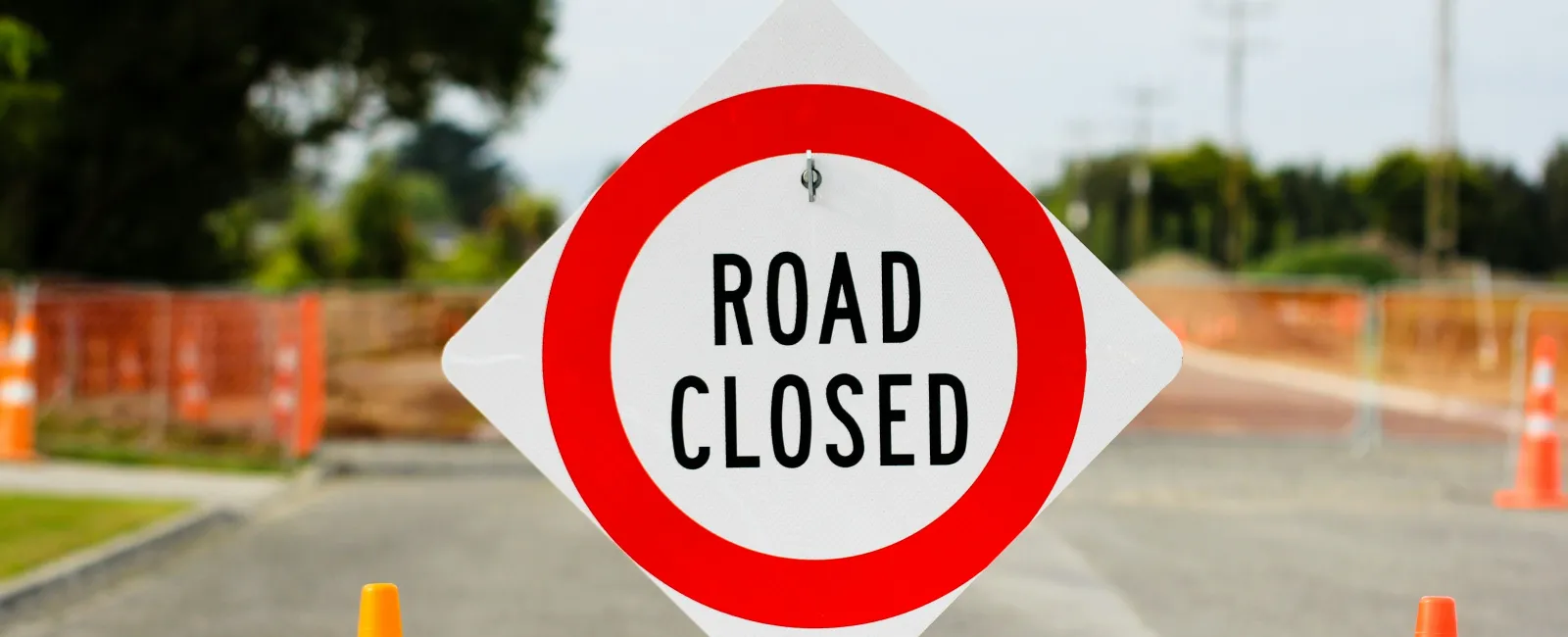
Regulatory Signs: These signs tell drivers what they must do. Examples include stop signs, yield signs, speed limit signs, no parking signs, and one-way signs. Disobeying regulatory signs results in traffic violations.
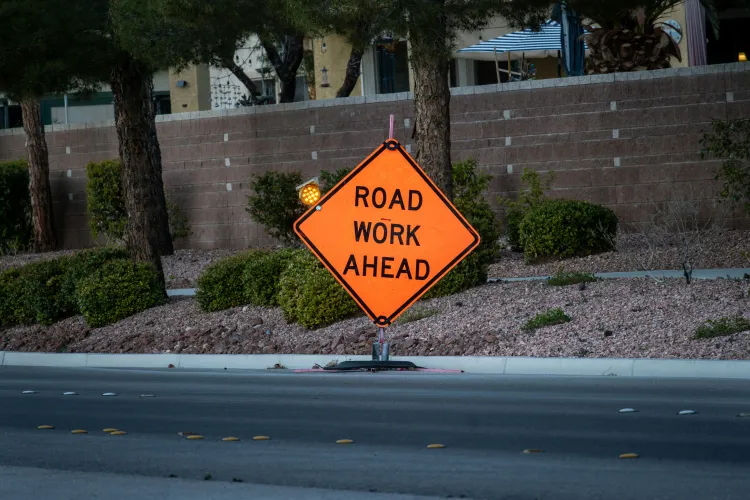
Warning Signs: These alert drivers to upcoming hazards or changes in road conditions. Examples include curve ahead signs, pedestrian crossing warnings, and construction zone warnings. Warning signs are typically yellow or orange for high visibility.
Guide Signs: These provide directional and mileage information to help drivers navigate. Examples include highway exit signs, destination signs, and route markers. Guide signs are typically green (highways) or blue (services).
When AQC designs traffic control plans, sign selection and placement follow strict MUTCD standards based on road type, speed limit, and sight distance requirements.
2. Traffic Signals
Traffic signals use illuminated indications (red, yellow, green lights) to assign right-of-way at intersections and other conflict points. They operate on fixed timing, traffic-responsive systems, or manual control depending on the application.
Permanent Traffic Signals: Standard red-yellow-green signals at intersections that operate continuously to manage traffic flow at busy crossroads.
Temporary Traffic Signals: Portable signal systems we deploy in work zones where traffic must alternate through single-lane sections. These are essential for maintaining flow when full road closures aren't feasible.
Pedestrian Signals: Walk/don't walk signals that provide dedicated crossing times for pedestrians, often integrated with vehicle signals.
Our traffic control equipment rental services include temporary signal systems for contractors who need to manage alternating traffic flow during construction projects.
3. Pavement Markings
Markings on the road surface provide guidance, warnings, and regulations without requiring drivers to take their eyes far from the road ahead. They're especially critical at night and in poor weather when visibility is reduced.
Longitudinal Markings: Lines running parallel to traffic flow, including center lines, lane lines, edge lines, and no-passing zone markings. These guide drivers within their lanes and indicate where passing is permitted.
Transverse Markings: Lines crossing the direction of travel, including stop lines, crosswalk markings, and speed hump markings. These indicate where drivers should stop or yield.
Other Markings: Arrows, word messages (STOP, SCHOOL, ONLY), symbols, and colored pavements that provide specific guidance or warnings. Examples include turn arrows, railroad crossing markings, and bike lane indicators.
In work zones, we often use temporary pavement markings to guide traffic through shifted lanes or altered traffic patterns, removing them once construction is complete.
4. Channelizing Devices
Physical devices that create barriers or guide traffic along specific paths. These are the equipment we deploy most frequently in temporary traffic control situations.
Traffic Cones: The most recognizable channelizing device, cones range from 12 to 42 inches tall depending on application. We use them to mark lane closures, create tapers, and delineate work zone boundaries. Orange cones indicate construction zones, while other colors serve specialized purposes.
Drums/Barrels: Larger than cones and more visible, these cylindrical devices are typically used on higher-speed roads where greater visibility is needed. They're particularly effective for protecting fixed objects or marking major hazard areas.
Vertical Panels: Tall, narrow signs (usually orange and white striped) that mark the edge of travel lanes or indicate lane closures. Type I, II, and III panels vary in size and application based on road speed and conditions.
Barriers: Concrete, steel, or water-filled plastic barriers that provide positive protection by physically preventing vehicles from entering work areas. We use these when workers will be in close proximity to traffic or when equipment must be protected.
Delineators: Flexible posts that mark roadway edges, especially at night. While less common in temporary applications, they're critical for permanent roadway delineation.
Essential Traffic Control Equipment for Work Zones
Beyond the four main categories, several specialized devices are critical for effective work zone traffic control:
Arrow Boards
Electronic displays mounted on trailers or trucks that show illuminated arrows directing traffic around or through work zones. These attention-grabbing devices are required on many highway projects and significantly improve driver response to lane closures.
Our equipment rental inventory includes various arrow board sizes suitable for different road types and speed limits, from urban streets to interstate highways.
Flagger Stations
ATSSA-certified flaggers using STOP/SLOW paddles to manually control traffic through work zones. Flaggers are traffic control devices themselves, human elements that can adapt to changing conditions and communicate directly with drivers.
When construction requires temporary single-lane operation, our certified flaggers coordinate traffic flow to ensure safety while minimizing delays.
Advance Warning Sign Systems
Sequential signs are placed at specific distances before work zones to give drivers adequate time to recognize, process, and respond to changing conditions. A typical highway work zone might include:
- Road Work Ahead sign (1,000-2,640 feet in advance)
- Right Lane Closed Ahead sign (500-1,500 feet)
- Merge arrow or sign (typically at the beginning of the taper)
Proper spacing ensures drivers have sufficient time to merge safely without causing sudden braking or dangerous maneuvers.
Work Zone Lighting
For nighttime operations, proper lighting isn't just helpful, it's required. Work zone lighting includes:
- Steady-burn warning lights on vehicles and equipment
- Flashing beacons to increase the visibility of signs and channelizing devices
- Task lighting for work areas
- Truck-mounted light towers for large-scale illumination
Traffic Control Devices and Regulatory Compliance
Using proper traffic control devices isn't optional; it's legally required for work that impacts public roadways. The MUTCD provides federal standards, while state DOTs often add additional requirements.
MUTCD Compliance
All traffic control devices on public roads must meet MUTCD specifications for:
- Design and color schemes
- Minimum sizes based on road type
- Placement distances and positions
- Reflectivity requirements
- Maintenance and replacement schedules
State and Local Requirements
Many states have requirements beyond federal MUTCD standards. When AQC develops traffic control plans, we ensure compliance with federal, state, and local regulations specific to the project location.
Liability Considerations
Improper use of traffic control devices creates significant liability exposure. If an accident occurs in a work zone with non-compliant devices, contractors can face legal consequences and financial liability. Professional traffic control services ensure proper compliance and documentation.
Renting vs. Purchasing Traffic Control Equipment
Contractors planning work that impacts roadways face a decision: rent equipment or purchase it?
When Equipment Rental Makes Sense
Our traffic control equipment rental services are ideal for:
- Infrequent roadway work (a few times per year)
- Short-duration projects (days to weeks)
- Avoiding maintenance and storage responsibilities
- Testing equipment before purchase decisions
- Projects requiring specialized devices you won't use regularly
Rental also provides access to professional advice on proper setup and compliance, often included with the rental service.
When to Purchase
Buying equipment makes financial sense for contractors who:
- Regularly work on or near roadways
- Run long-duration projects (months to years)
- Have storage capacity and maintenance capabilities
- Need immediate access to equipment for emergency work
Full-Service Traffic Control
Many contractors find that comprehensive traffic control services provide the best value, professional equipment, proper setup, ATSSA-certified flaggers when needed, and regulatory compliance without capital investment or maintenance concerns.
Work With Traffic Control Professionals
Traffic control devices are powerful safety tools when used correctly. Improper selection, placement, or maintenance can create hazards rather than prevent them. Professional traffic control ensures your project maintains safety, compliance, and efficient traffic flow.
Need Traffic Control Equipment or Professional Services?
AQC Traffic Control provides comprehensive traffic management solutions throughout metro Atlanta and the Southeast. Whether you need equipment rentals, complete traffic control plans, ATSSA-certified flaggers, or turnkey traffic management services, we have the expertise and equipment to keep your project safe and compliant.
Our team designs MUTCD-compliant traffic control systems, deploys professional-grade equipment, and provides certified personnel to ensure worker and motorist safety while minimizing traffic disruption.
Call us at 470-480-0348 or request a quote online to discuss your traffic control needs.