Why Construction Signs Matter More Than You Think
Every five minutes, someone crashes in a work zone. Construction warning signs aren't just suggestions; they're your first line of defense protecting both workers and drivers. When properly deployed, construction zone signs create a communication system that speaks to drivers at 70 mph, giving them crucial seconds to react and adjust.
Construction signs are usually the most cost-effective safety measure you can implement. Unlike hiring additional flaggers or renting expensive barriers, signs work 24/7 without breaks, complaints, or overtime pay. But only if you use them correctly.
Understanding the Color Code: What Color Are Construction Signs?
Orange construction signs dominate work zones for good reason: they're specifically designated for temporary traffic control in construction and maintenance areas.
But here's what many contractors miss: not all construction road signs are orange. You'll also encounter:
Red signs: Regulatory commands (STOP, DO NOT ENTER)
Yellow signs: General warnings outside the immediate work zone
Green signs: Directional guidance
Blue signs: Services and facilities
Black and white signs: Regulatory information (speed limits, lane use)
Understanding this color system helps you communicate more effectively with drivers and ensures compliance with MUTCD standards.
Construction Signs Every Contractor Should Know
The Advance Warning Series
The road work ahead sign is typically placed 1,500 feet before the work zone on highways, or 750 feet on high-speed roads. This gives drivers time to mentally prepare for changes ahead. The meanings of road construction signs become clearer when you understand that they follow a narrative structure: warning, instruction, guidance, and release.
Navigation and Detour Signs
The detour sign's meaning is pretty straightforward: follow this alternate route. But placement is everything. Detour signs should create a breadcrumb trail that even stressed, GPS-dependent drivers can follow. Never assume one sign is enough; repeat them at every decision point.
Active Work Zone Signs
Construction zone signs are generally placed closer to the actual work area. These include:
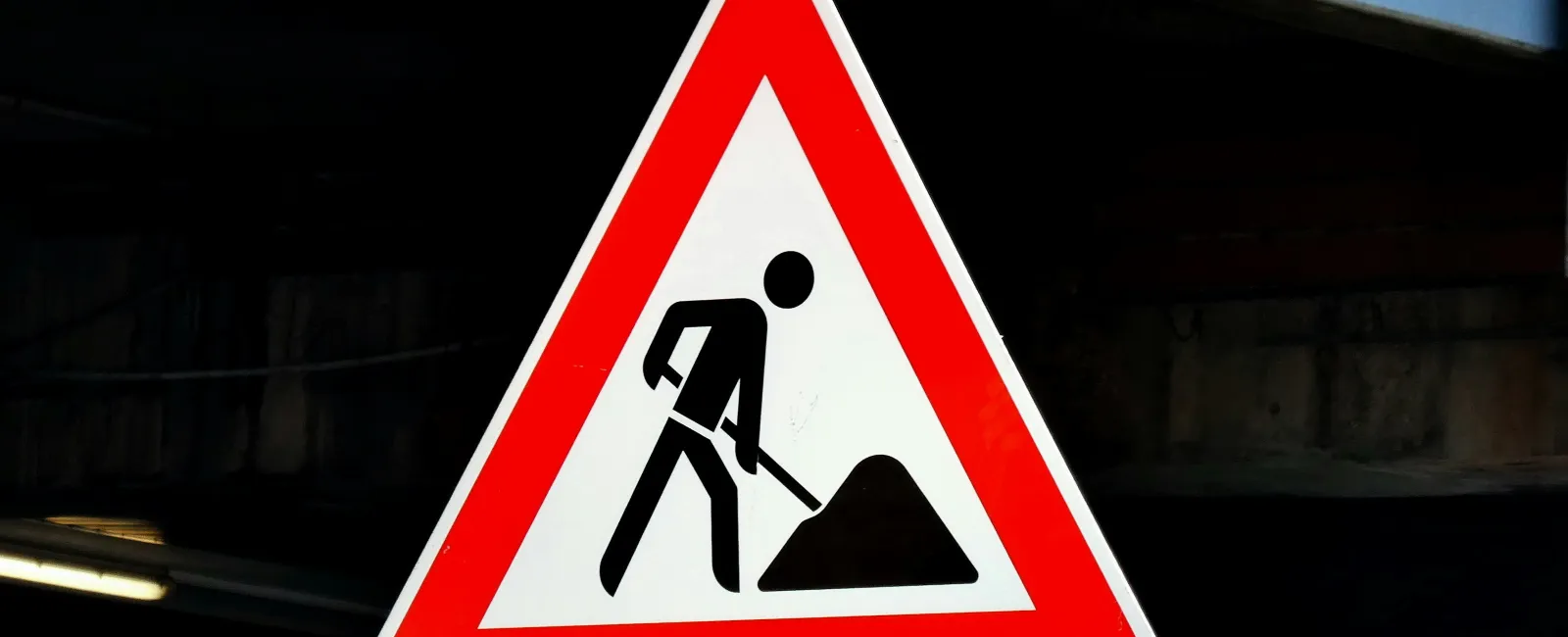
Men at work sign (though "Workers Present" is now preferred)
Lane closed ahead warnings
Shoulder work notifications
Equipment crossing alerts
Temporary Signs Used in Construction and Maintenance Work Areas
Temporary signs used in construction and maintenance work areas must be:
Retroreflective: Visible day and night
Stable: Weighted or secured against wind
Clean: Dirty signs lose authority and visibility
Properly spaced: Following MUTCD guidelines for your road type
Sequential: Creating a logical flow of information
Construction signs examples that work well together:
"Road Work 1 Mile" → "Right Lane Closed ½ Mile" → "Merge Left" → "Flagger Ahead"
This sequence gives drivers multiple touchpoints to process and respond to changing conditions.
Placement Strategies That Actually Work
The right placement for construction site signs depends on several key factors:
Urban vs. Rural: City streets need tighter spacing due to visual clutter and shorter sight lines. That utility repair in downtown Atlanta needs different signage than rural highway work.
Speed considerations: The faster the traffic, the earlier your warnings need to start. The meaning of the 'road construction ahead' sign changes when drivers have less reaction time.
Duration of work: Short-term projects (under 12 hours) have different requirements than long-term construction. Don't over-sign a two-hour pothole repair, but don't under-sign a six-month bridge project.
Weather and visibility: Fog, rain, or curved roads require additional advance warning. What works on a clear day might be inadequate when visibility drops.
Common Mistakes
Even experienced contractors mess these up:
- Sign overload: Too many signs create confusion. Drivers can only process so much information at highway speeds.
- Leaving irrelevant signs up: If the construction warning signs say "Flagger Ahead" but there's no flagger, you lose credibility.
- Poor maintenance: Knocked-over or faded construction safety signs might as well not exist.
- Incorrect sequencing: Signs should tell a story. Random placement confuses drivers.
- Ignoring exit ramps: Drivers entering your work zone mid-stream need information too.
Making Signs Work Harder for Your Crew
Signs for construction sites do more than direct traffic. They're also legal protection, documenting that you provided adequate warning. Take photos of your sign setup at the start of each project. Date-stamped images showing proper construction of road signs could save you from liability disputes.
Consider supplementing static signs with:
Sequential arrow boards for lane shifts
Portable changeable message signs for complex scenarios
Automated flagger assistance devices when appropriate
The Bottom Line on Construction Signs
Road construction signs might seem like the simplest part of traffic control, but they're actually your foundation. Get them right, and everything else becomes easier. Get them wrong, and no amount of flaggers or barriers will compensate.
At AQC Traffic Control, we know that every work zone has unique challenges, from Atlanta's aggressive drivers to rural highways where speeds creep higher than posted limits. We don't just drop off signs and leave; we design comprehensive signing strategies that keep your workers safe and your project moving.
Need help with your construction signing plan? Contact AQC Traffic Control at (470) 480-0348. We'll ensure your signs meet MUTCD requirements while actually working in real-world conditions.