Utility and telecommunications projects are among the most traffic-control-intensive activities taking place on public roads in the Southeast. Fiber buildouts, 5G deployment, gas line replacements, water main repairs, and electrical upgrades all place crews in or next to live traffic, often along the same corridor for weeks or months.
Although utility work follows many of the same traffic control standards as road construction, its operational demands differ. Utility crews move frequently, cross multiple permit jurisdictions, encounter unpredictable underground and overhead conditions, and may need emergency support at any hour.
The Utility Work Zone Landscape in the Southeast
Utility construction continues across Georgia, Alabama, Tennessee, Florida, and South Carolina as communities expand broadband access, replace aging water and sewer systems, modernize electrical infrastructure, and upgrade natural gas distribution lines.
Much of this work takes place within existing public rights-of-way. Fiber and small-cell projects may follow miles of roadway, while water, gas, and electrical work may require excavations, shoulder closures, lane closures, pedestrian detours, and overnight protection. Nearly every project requires permitted, properly maintained traffic control.
How Utility Traffic Control Differs from Road Construction
The standards may be similar, but utility projects rarely operate like a fixed paving or bridge site.
Moving Work Zones
Utility work advances along a corridor. A fiber crew may move several times in one day, while a water or gas crew may shift its excavation every few days. Each move may require that devices, tapers, advance warning signs, arrow boards, and message signs be relocated and inspected.
A provider that sets up the work zone once and leaves is not equipped for most utility projects. The traffic control team must be able to advance with the crew and adjust the setup as field conditions change.
Multiple Permit Jurisdictions
A single utility corridor may pass through city, county, and state-maintained rights-of-way. Each agency can have different permit applications, traffic control plan requirements, inspection procedures, work-hour restrictions, and notification rules.
Experienced permit coordination reduces resubmissions and delays. AQC works across five Southeast states and supports utility projects that cross multiple jurisdictions.
Unpredictable Schedules
Underground conflicts, poor soil conditions, redesigns, inspection delays, and material availability can extend a utility project without warning. A closure planned for three days may remain in place for two weeks.
Utility contractors need a traffic control provider that can respond to schedule changes without adding unnecessary mobilization delays or administrative friction.
Emergency Response
Gas leaks, water main breaks, downed power lines, and cable failures do not follow a construction schedule. They may require immediate traffic control before repair crews can safely begin work.
AQC maintains 24/7 emergency dispatch capability across the Southeast. That availability is especially important when an active infrastructure failure creates an immediate hazard for workers, drivers, or nearby properties.
Overhead and Underground Hazards
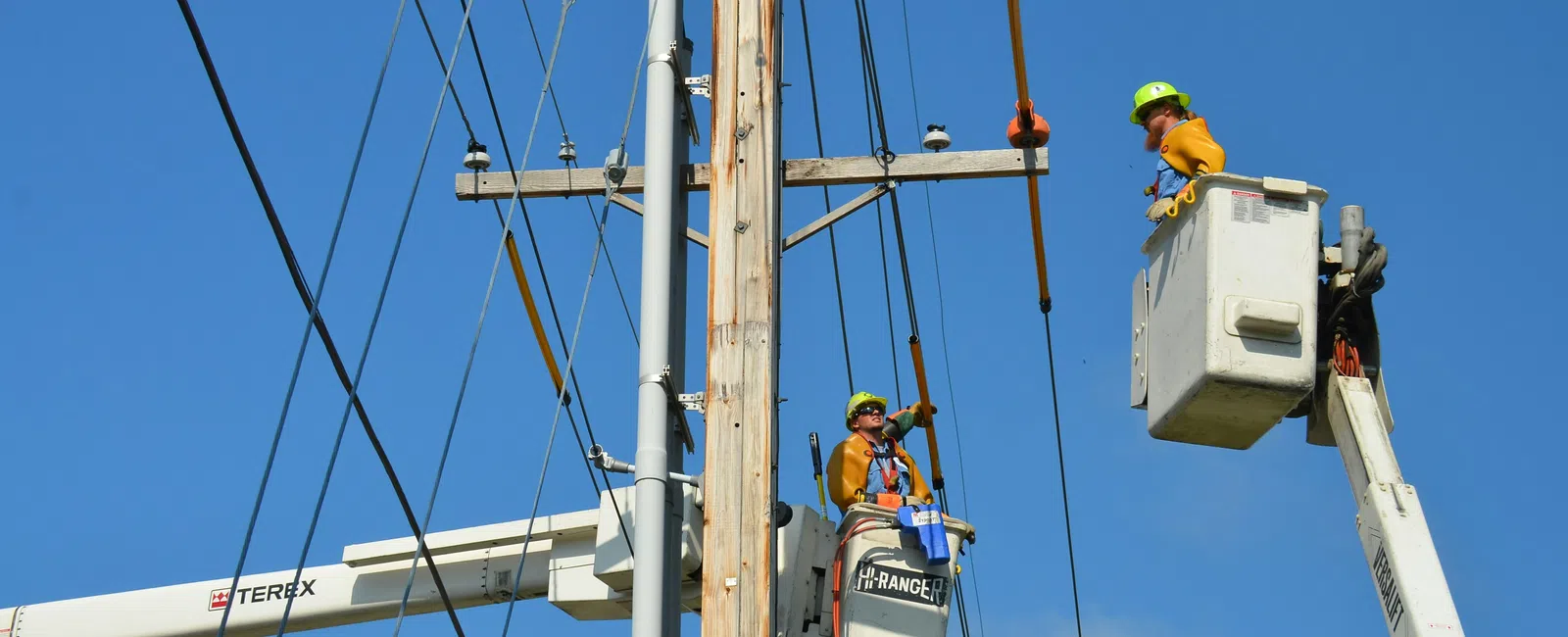
Utility work creates hazards beyond those posed by passing traffic. Overhead crews may work near energized conductors from bucket trucks positioned in or beside a travel lane. Excavation crews must manage open trenches, spoil piles, equipment staging, utility conflicts, and safe entry and exit routes.
The traffic control setup must account for the full work footprint, not just the crew's location. Lane closures and channelization should provide sufficient space for workers, equipment, and materials, and ensure safe access to the work area.
AQC has supported fiber, telecom, electric, gas, and water utility projects across the Southeast since 2017. That experience comes from working alongside utility crews in active roadside environments.
Traffic Control for Common Utility Work Types
Fiber Optic and Telecommunications Installation
Fiber and telecom projects often combine underground conduit, directional boring, aerial cable installation, splice work, and sidewalk or shoulder activity along a long route.
Common traffic control needs include:
- Lane or shoulder closures at the bore and receiving pits
- Temporary control around open-cut conduit installation
- Mobile or advancing closures for aerial cable work
- Intermittent closures at multiple splice locations
- ADA-compliant pedestrian routes where sidewalks are affected
Because these projects move quickly and may involve several jurisdictions, permit coordination and the ability to relocate work zones efficiently are essential.
Gas Line Installation and Replacement
Gas distribution work commonly involves roadway or shoulder excavation followed by pipe installation, testing, backfill, and surface restoration. Traffic control may need to remain in place through several work phases.
Open trenches must stay barricaded and signed when crews leave, including overnight and on weekends. An active gas leak may require immediate road closure and coordination with emergency responders. Testing and restoration can also change the work footprint, so the setup must be adjusted as the project progresses.
Water and Sewer Work
Water and sewer projects range from short residential service repairs to multi-week main replacements on major roads. Their traffic control needs can vary from a shoulder closure with a flagger to a full lane or road closure with advance warning signs and arrow boards.
Emergency breaks may require rapid deployment without normal lead time. Excavations can remain open while crews wait for inspections or materials, and dewatering may create additional drainage or roadway concerns. Tie-ins may also require temporary full closures within a larger partial-closure project.
Electrical Distribution Work
Overhead electrical projects often use bucket trucks or aerial lifts with a large roadway footprint. Crews may move from pole to pole throughout the day, requiring the work zone to advance with them.
Underground electrical work presents a different challenge. In congested urban rights-of-way, limited space and existing utilities can leave little room for workers, equipment, and passing traffic. Precise channelization is critical to maintaining safe clearances.
Small Cell and Wireless Infrastructure
Small cell installations are usually shorter-duration at each location but may involve dozens of active sites and permits across a single metro area. Each site still requires a compliant setup, even when the physical work zone is relatively small.
Managing several simultaneous deployments requires strong scheduling, permit tracking, and enough trained personnel to support multiple crews at once.
Managing Permits Across Utility Corridors
Permit coordination is one of the most underestimated parts of utility traffic control. A project covering only a few miles may require separate approvals from a municipality, county, and state DOT.
Requirements can vary by agency, including:
- Application lead times
- Traffic control plan formats
- Inspection and approval procedures
- Police or officer presence
- Road closure and transit notifications
- Daytime, nighttime, or weekend work restrictions
Contractors unfamiliar with local requirements can lose time to rejected plans, revisions, and delayed approvals. A traffic control partner that already understands the agencies along the route can help prevent those setbacks.
AQC regularly supports multi-jurisdiction utility corridors and works with GDOT, ALDOT, TDOT, FDOT, SCDOT, and local road authorities throughout the Southeast.
Overnight and Extended Utility Closures
Utility work often remains exposed after the active shift ends. Open trenches, staged equipment, or lane closures may remain in place overnight or over the weekend while crews wait for inspections, materials, or the next phase of work.
During these periods:
- Channelizing devices must remain correctly positioned
- Signs, arrow boards, and message boards must reflect the overnight condition
- Open excavations must remain properly delineated and protected
- Nighttime visibility requirements must be maintained
- Permit authorities may need notice when a closure extends beyond its approved duration
Unattended work zones can become noncompliant when devices shift, are struck, or are moved. Daily documentation and periodic inspections help identify those problems before they lead to a permit violation or unsafe condition.
For extended closures, AQC documents the setup at the end of the active work period and can conduct overnight checks at higher-risk locations.
Related: See AQC's guide, What Happens When a Work Zone Isn't Set Up Properly?, for a closer look at the cost of noncompliant traffic control.
What to Look for in a Utility Traffic Control Partner
Not every traffic control company has the staffing, regional knowledge, or flexibility required for utility work. Contractors should evaluate the following capabilities.
Multi-Jurisdiction Permit Experience
Ask whether the provider has worked with the state DOT, counties, and municipalities along your route. Familiarity with local expectations can reduce permit revisions and approval delays.
Ability to Move With the Crew
The provider should be able to relocate and reset the work zone as the project advances without treating every move as a separate deployment. Confirm that it has the personnel, equipment, and logistics to support a moving work front.
Genuine 24/7 Response
Around-the-clock availability should mean more than an answering service. Ask how dispatch works, where crews are located, and what response commitments apply during an emergency.
Flexible Scheduling
Utility timelines change. A practical traffic control agreement should accommodate extensions, relocations, and pauses without creating high costs or administrative delays.
Qualified Personnel
Flaggers and traffic control supervisors should hold current ATSSA or applicable state-approved credentials. For multi-state projects, confirm that their qualifications meet each state's requirements.
Documentation and Compliance Records
Daily inspection logs and photographs can protect the contractor during an agency review or incident investigation. Confirm that the provider documents each setup and makes those records available when needed.
Traffic Control That Keeps Up With Your Utility Project
Utility and telecommunications contractors need more than a standard lane closure. They need a traffic control partner that can support moving work zones, coordinate permits, adapt to unpredictable schedules, maintain extended closures, and respond to emergencies.
AQC Traffic Control has supported utility and telecom contractors across the Southeast since 2017 with ATSSA-certified flagging, traffic control plan development, permit coordination, and 24/7 emergency response.
Whether your project involves fiber deployment across several counties, a water main replacement on a busy arterial, or planned and emergency electrical work, AQC has the regional coverage and field experience to help protect your crews and keep the project moving. Contact us to discuss your utility traffic control needs.