Ever driven past a construction site and wondered how they manage to keep traffic flowing while workers stay safe? That's where a traffic control plan comes into play. If you're a contractor, project manager, or just curious about how road work gets done, continue reading this blog.
Understanding Traffic Control
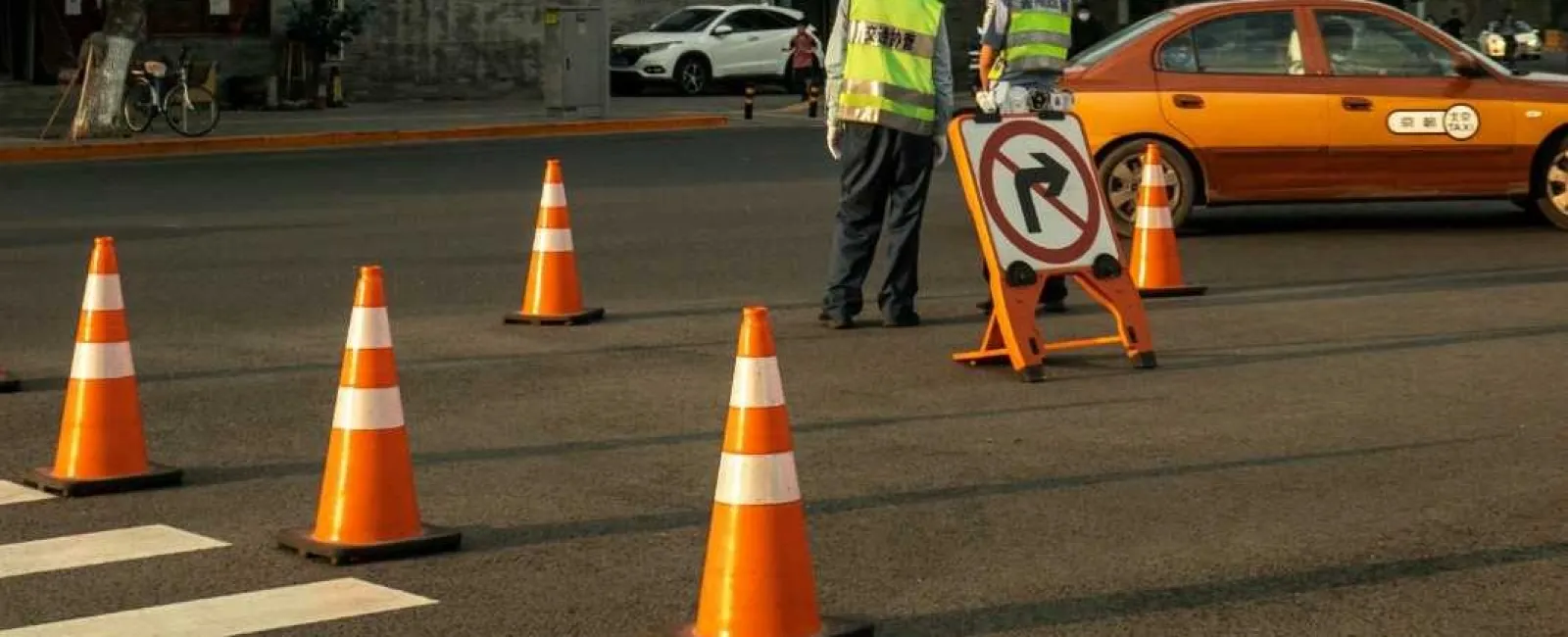
Let's start with the basics. What is traffic control? Simply put, it's the systematic management of vehicle and pedestrian movement around work zones, construction sites, and temporary road disruptions. However, it's way more complicated than just throwing up some orange cones and hoping for the best.
A traffic control plan (often called TCP) is your roadmap for keeping everyone safe when normal traffic patterns get disrupted. Think of it as choreography for cars, trucks, and construction crews. Everyone needs to know their moves to avoid stepping on each other's toes (or in this case, causing accidents).
The Anatomy of Traffic Control Plans
Every solid construction traffic control plan includes four essential zones that work together:
The Advance Warning Area gives drivers a heads-up about what's coming. This gives drivers time to adjust their speed and expectations. The MUTCD (Manual on Uniform Traffic Control Devices) recommends starting these warnings at least half a mile before the work zone on highways.
Next comes the Transition Area. This is where you guide traffic from their normal lanes into the adjusted pattern. Whether it's a lane closure or a complete detour, this zone needs crystal-clear signage and proper tapering to prevent confusion.
The Activity Area is where the actual work happens. Your temporary traffic control plan needs to create a buffer between workers and traffic, because let's face it, mixing heavy machinery with speeding vehicles is never a good idea.
Finally, the Termination Area lets traffic know they can return to normal driving patterns. This is extremely necessary, but often overlooked.
Why Traffic Control Management and Planning Matters
A traffic management plan protects everyone involved:
Workers get a safer environment to do their jobs
Drivers navigate work zones with confidence
Project managers avoid costly delays and liability issues
Communities maintain access to essential routes
Creating Your Construction Traffic Control Strategy
So, how do you actually create a construction traffic control plan that works? Start by asking the right questions:
What type of work are you doing? A quick pothole patch requires different traffic controls than a bridge replacement. Your road closure traffic control plan for a residential street won't look anything like one for an interstate highway.
Consider your timeline. Night work might mean fewer cars but requires enhanced lighting and reflective materials. Weekend projects could avoid rush hour but might conflict with special events.
Don't forget about pedestrians and cyclists. Your TCP traffic control plan needs to account for everyone using the road, not just vehicles. In urban areas, this might mean creating temporary sidewalks or bike lanes.
Working with Professional Traffic Control Services
While understanding what a traffic control plan is is important, implementing one properly requires expertise and resources. That's where professional traffic control companies like AQC Traffic Control come in. We don't just drop off equipment and leave; we partner with you to ensure your traffic control plan meets all regulatory requirements while keeping your project moving forward.
Making Your Plan Work
A successful traffic control plan requires careful planning, proper equipment, and trained personnel. Whether you're managing a small road closure traffic control plan or coordinating a massive infrastructure project, the principles remain the same: communicate clearly, prioritize safety, and always have a backup plan.
Ready to develop your traffic control plan? Contact AQC Traffic Control at (470) 480-0348 to discuss how we can help keep your work zone safe and your project on track.