If you've ever driven through a work zone and noticed blue traffic cones instead of the standard orange ones, you've probably wondered: What does that mean? Or why are some cones green while others are white? As professional traffic control specialists who deploy thousands of cones across work zones throughout metro Atlanta and the Southeast, we use different colored traffic cones daily, and each color serves a specific safety purpose.
At AQC Traffic Control, choosing the right cone color isn't just about following regulations; it's about communicating critical safety information to drivers, workers, and pedestrians. Whether we're setting up professional traffic control plans for highway construction or managing temporary lane closures, understanding traffic cone colors helps us create safer work zones for everyone.
Why Traffic Cone Colors Matter
Traffic cones are among the most recognizable safety tools in the world, but their colors aren't chosen at random. Each color communicates specific information about hazards, restrictions, or designated areas. When you see different colored cones in a work zone, they're part of a carefully planned safety system designed to protect workers and guide traffic safely through changing conditions.
For traffic control professionals, using the correct cone color is essential for compliance with MUTCD (Manual on Uniform Traffic Control Devices) standards and OSHA regulations. But more importantly, the right color choice can mean the difference between a driver recognizing a hazard in time or not seeing it until it's too late.
Orange Traffic Cones: The Standard for Road Work
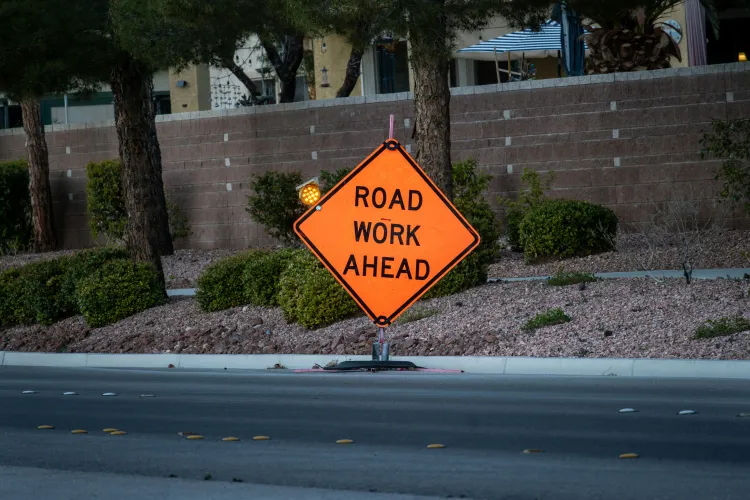
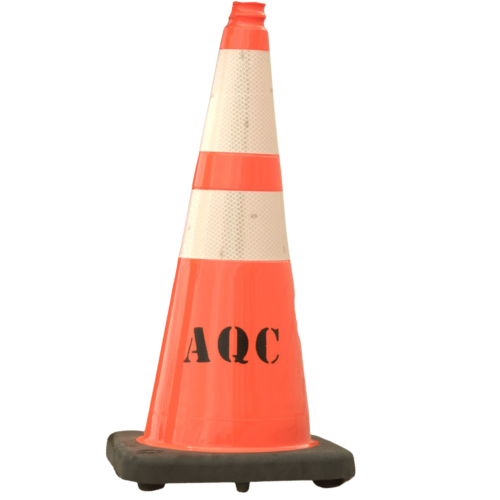
Orange traffic cones are the most common color you'll see and serve as the universal symbol for construction zones, road work, and temporary hazards. This bright orange color, officially called "safety orange" or "blaze orange", was chosen for its exceptional visibility in nearly all lighting and weather conditions.
Why Are Traffic Cones Orange?
Traffic cones are orange because this specific shade creates maximum contrast against pavement, sky, and most natural backgrounds. The human eye is particularly sensitive to orange wavelengths, making orange cones visible from farther away than those of most other colors. This visibility is critical when drivers need to recognize hazards quickly, especially at highway speeds.
Orange also has strong psychological associations with caution and awareness. Studies show that drivers instinctively slow down and increase alertness when they see orange traffic control devices, exactly the behavior we want to encourage in work zones.
Common Uses for Orange Traffic Cones
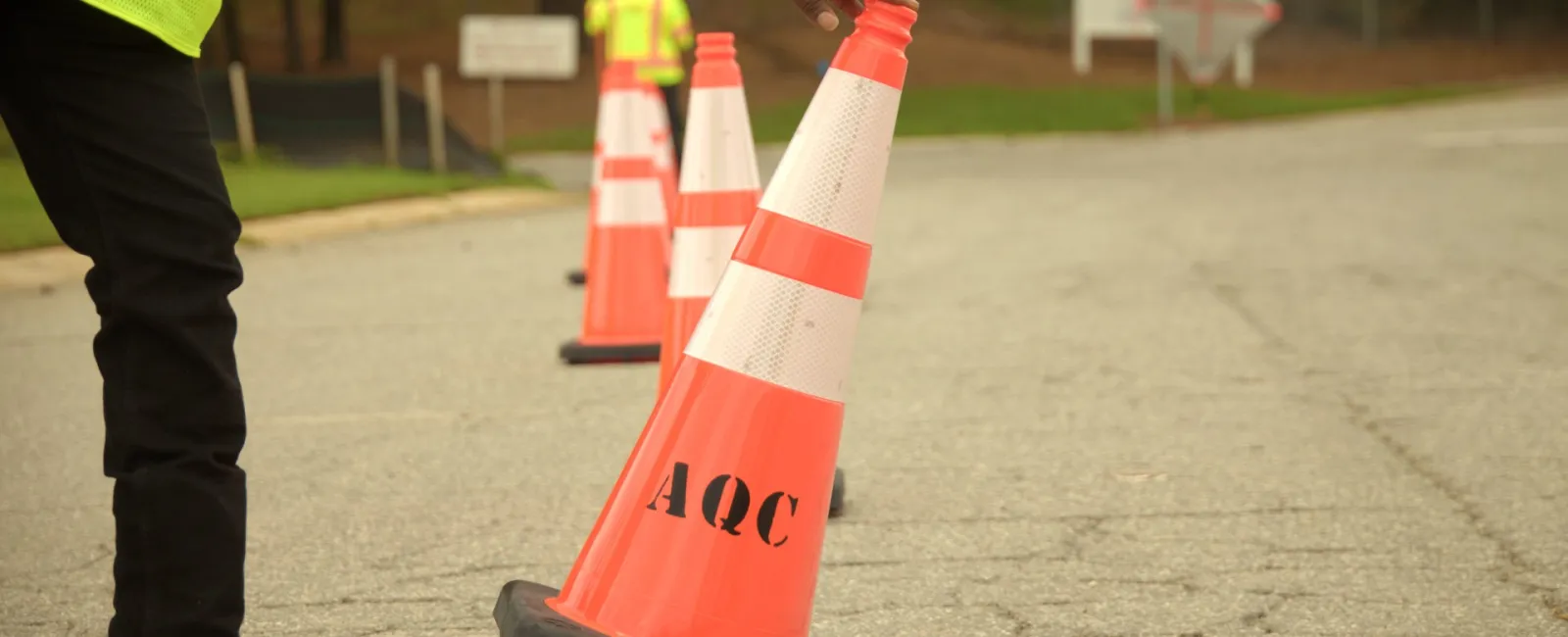
When our team at AQC develops traffic control plans and permit applications, orange cones are our go-to choice for:
- Construction and road work zones: Marking active construction areas, equipment locations, and hazardous work zones
- Lane closures and shifts: Guiding traffic around closed lanes or redirecting flow during paving operations
- Temporary hazards: Marking potholes, debris, or sudden road condition changes
- Work zone perimeters: Defining the boundaries between active work areas and traffic flow
- Equipment staging areas: Protecting construction vehicles, materials, and equipment near roadways
In fact, orange cones are so ubiquitous in traffic control that many people don't realize other colors exist—until they encounter them in specific situations.
Blue Traffic Cones: Marking Overhead Hazards
Blue traffic cones serve a specialized and critical function: they mark areas with overhead hazards or restrictions. When you see blue cones in a work zone, look up—there's likely low-clearance equipment, temporary structures, or overhead work happening above.
What Blue Traffic Cones Mean
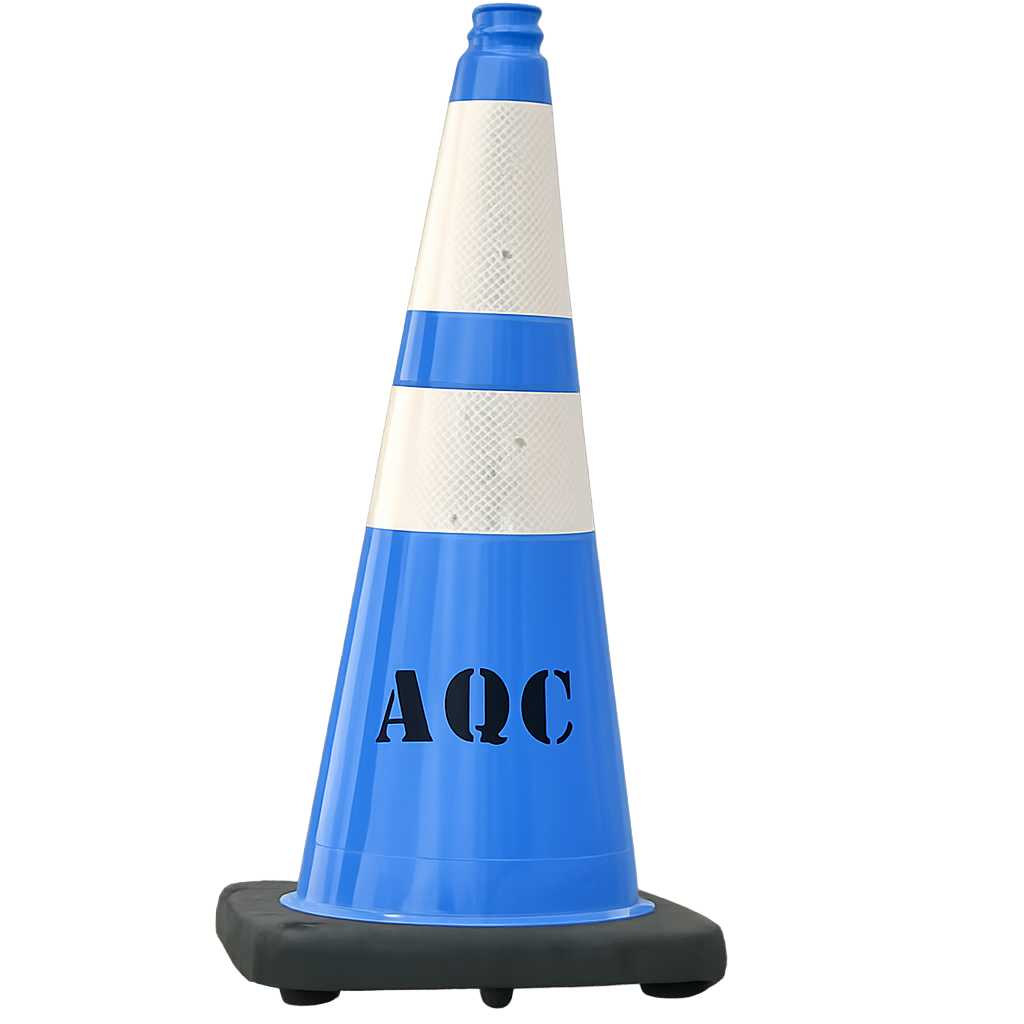
Blue cones specifically warn of:
- Low overhead clearances: Temporary structures, scaffolding, or equipment with height restrictions
- Aerial work zones: Areas where crews are working on overhead utilities, bridges, or structures
- Crane operation zones: Spaces where crane booms or loads may pass overhead
- Parking restrictions: In some jurisdictions, blue cones designate accessible parking or restricted parking zones
For tall vehicles like trucks, buses, and RVs, blue cones provide essential warnings about clearance issues that could cause serious damage or injuries. When we're managing traffic control for projects involving overhead work, our ATSSA-certified team carefully positions blue cones to give drivers adequate warning distance.
Green Traffic Cones: Enter Here
Green traffic cones typically indicate that an area is open for entry or that traffic may proceed through a designated path. Think of green cones as the "go" signal of the traffic cone world.
Common Applications for Green Traffic Cones
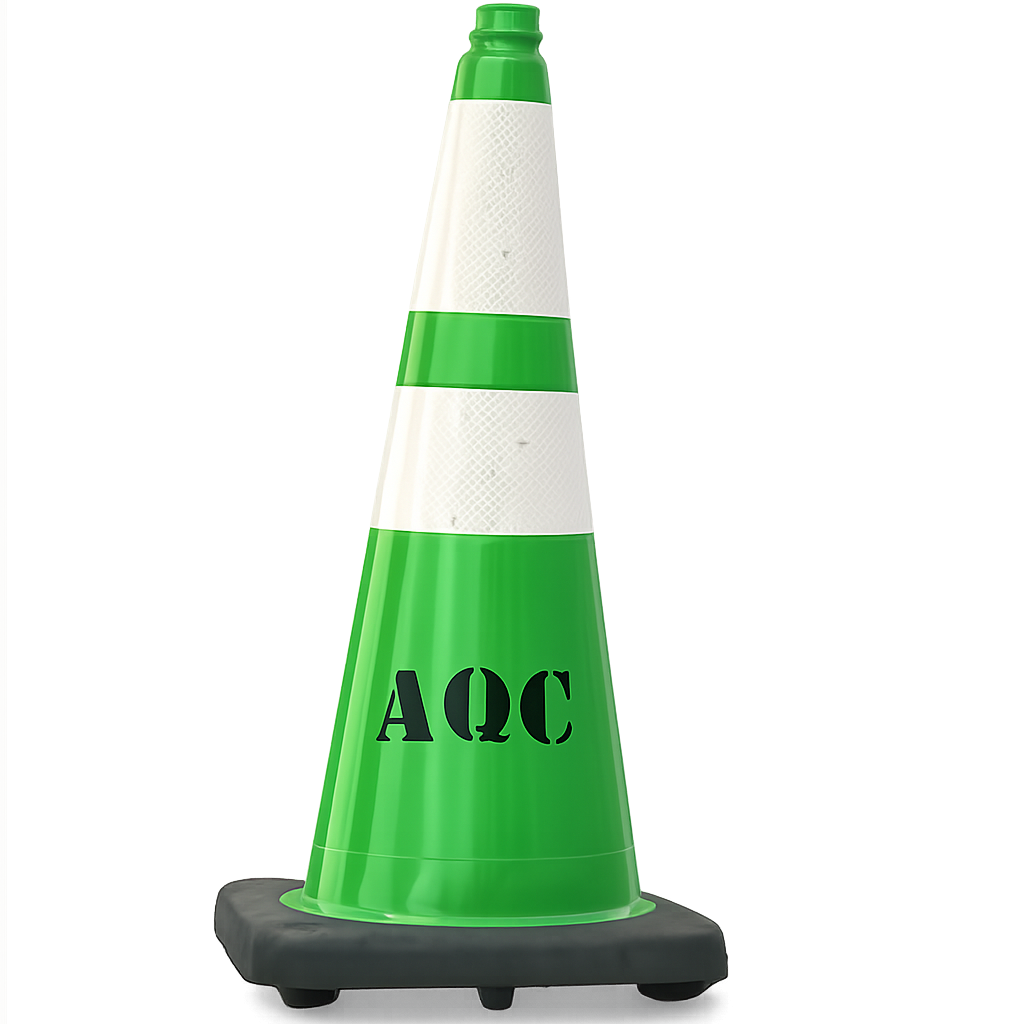
We use green cones in our traffic management operations for:
- Entry points and entrances: Marking where vehicles can safely enter a work zone, parking area, or event space
- Open lanes and paths: Indicating which lanes remain open to traffic during construction
- Pedestrian walkways: Designating safe walking paths around work zones or events
- Emergency access routes: Marking paths that must remain clear for emergency vehicles
Green cones help eliminate confusion in complex work zones with multiple paths. By clearly marking "safe to proceed" areas with green, we reduce the risk of drivers accidentally entering restricted zones marked by orange or other colored cones.
White Traffic Cones: Specialty and Parking Uses
White traffic cones are less common than orange but serve important specialized functions, particularly in parking management and indoor applications.
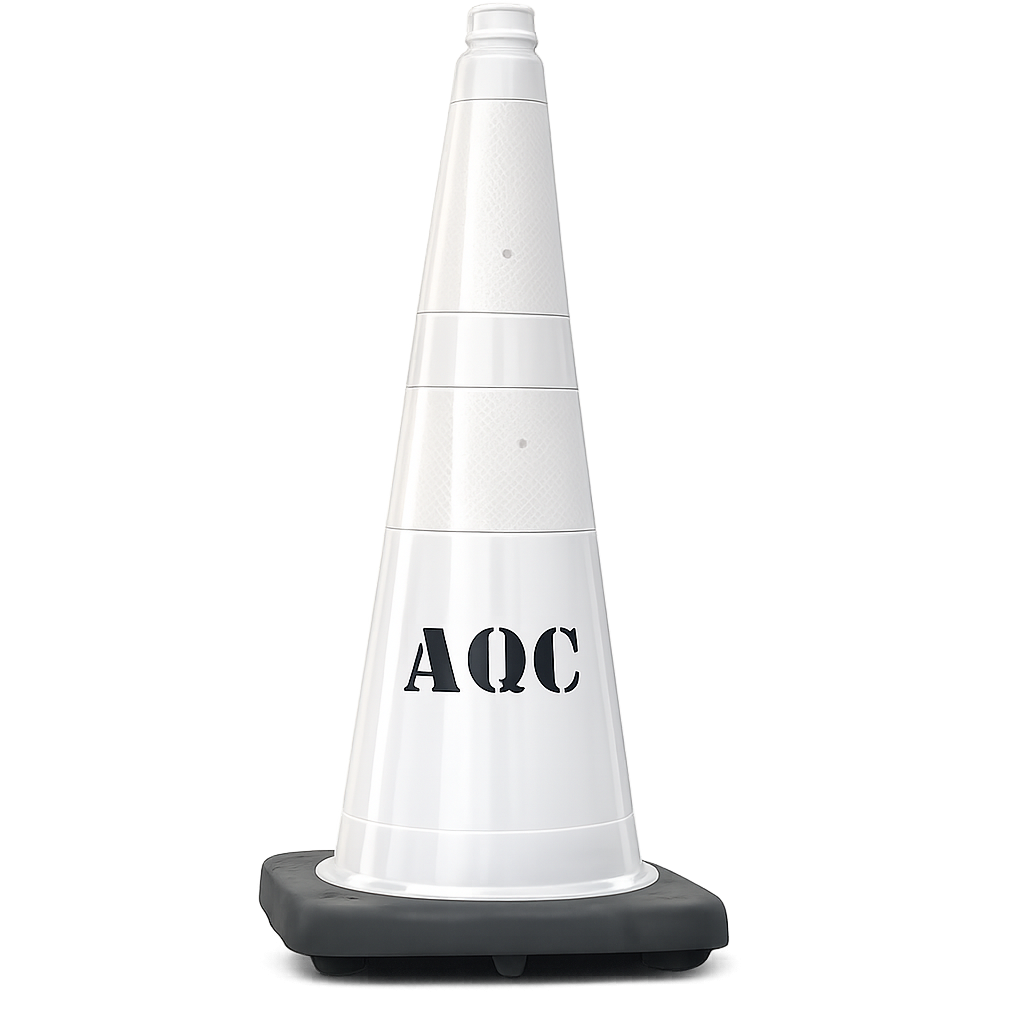
When White Traffic Cones Are Used
- Indoor facilities: Warehouses, parking garages, and indoor venues where orange would be too harsh under artificial lighting
- Parking delineation: Marking parking spaces, reserved areas, or temporary parking configurations
- Event management: Creating visual barriers at indoor or outdoor events without the "construction" connotation of orange
- Private property: Directing traffic flow in shopping centers, apartment complexes, or business parks
White cones offer excellent visibility against dark pavement but don't convey the same urgency signal as orange cones. This makes them ideal for situations where you need traffic guidance without implying a construction hazard.
Pink (or Red) Traffic Cones: Temporary Survey Markings
Pink or red traffic cones are specialty markers typically used for very specific purposes:
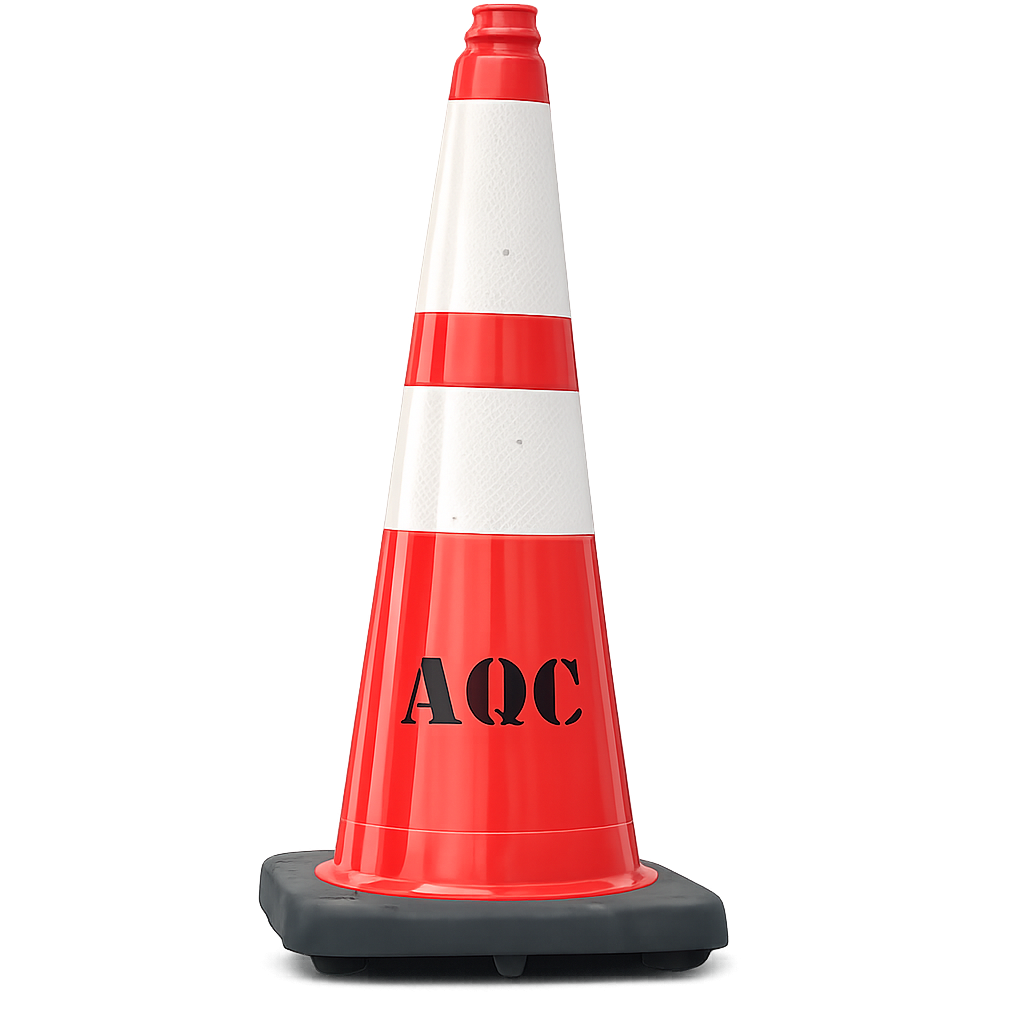
- Survey work: Marking temporary survey points, boundaries, or measurement locations
- Utility locations: Some jurisdictions use pink to mark temporary utility investigation areas
- Special event zones: Designated areas at special events, particularly those supporting breast cancer awareness or other pink-themed causes
These cones are far less common than orange, blue, or green cones, and their meanings can vary by region and application. When you encounter pink or red cones, context usually clarifies their purpose.
Yellow Traffic Cones: Caution and General Warning
Yellow cones (sometimes called "lime yellow" or "fluorescent yellow") provide general caution warnings similar to orange but are often used in different contexts:
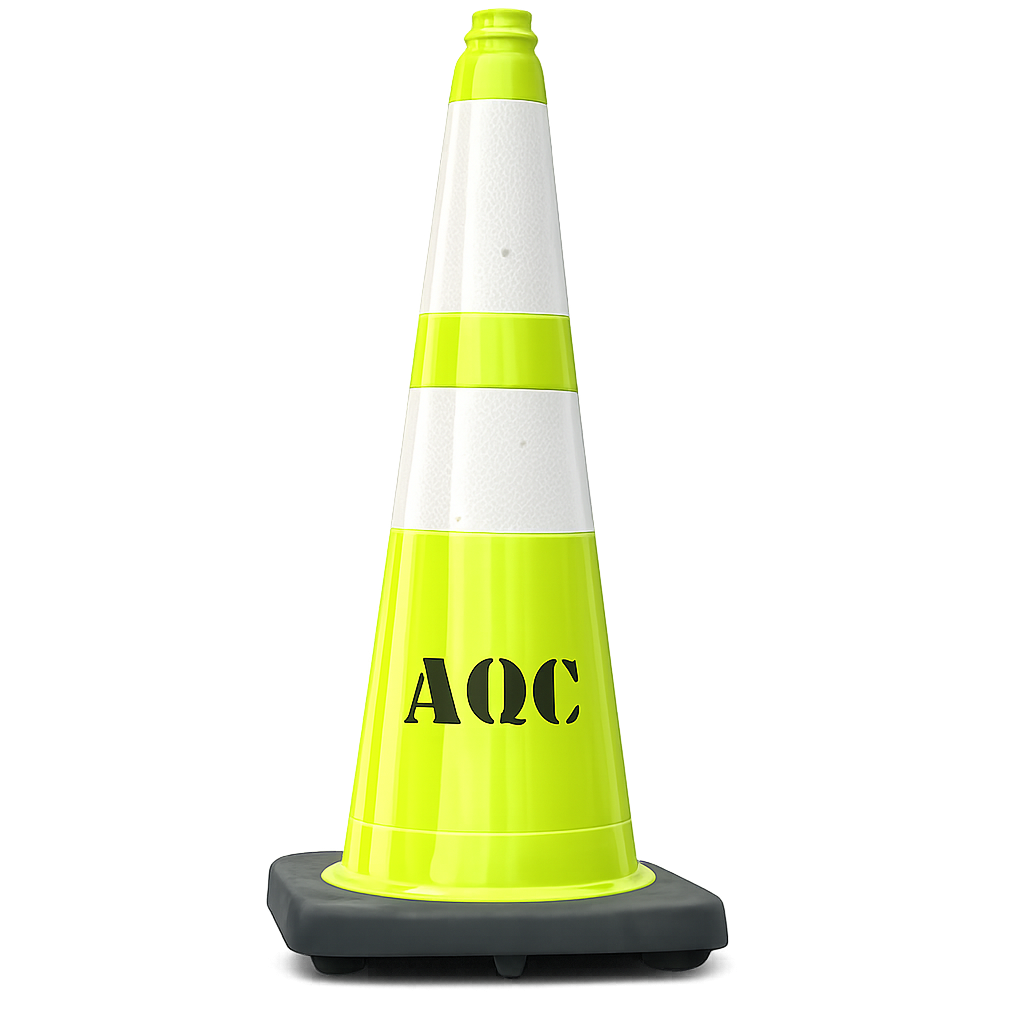
- Wet floor warnings: Indoor applications where slipping hazards exist
- Maintenance operations: Building maintenance, cleaning, or facility work
- General caution areas: Situations requiring awareness but not indicating active construction
While yellow cones are highly visible, orange remains the preferred color for outdoor traffic control because it provides better contrast against pavement and vegetation.
Combining Traffic Cone Colors for Complex Work Zones
In large or complex construction projects, you'll often see multiple cone colors working together to create a comprehensive traffic control system. When AQC designs complete traffic control plans for major roadway projects, we strategically combine colors to communicate different messages throughout the work zone.
Example: Multi-Color Work Zone Setup
Imagine a highway bridge repair project. You might see:
- Orange cones: Marking the main work zone perimeter and lane closures leading to the bridge
- Blue cones: Warning of low clearance under temporary scaffolding beneath the bridge
- Green cones: Indicating the one lane that remains open for through traffic
- White cones: Delineating a temporary parking area for inspection vehicles off the main roadway
This color-coded system allows drivers to quickly understand their options and restrictions as they approach and navigate the work zone. It's one of many tools our traffic control professionals use to maintain both safety and traffic flow.
Reflectivity and Size: More Than Just Color
While color is crucial, effective traffic cones also need proper reflectivity and appropriate sizing for their application. At AQC, we don't just consider color when deploying cones—we evaluate the entire traffic control system.
Reflective Collars and Sleeves
Most traffic cones used in roadway applications feature reflective collars or sleeves that make them visible at night and in low-light conditions. These reflective bands are typically white or silver and must meet specific retroreflectivity standards for nighttime visibility. When we manage 24/7 traffic control operations, reflective cones are non-negotiable for worker and driver safety.
Cone Height Matters
Different situations require different cone heights:
- 12-inch cones: Indoor use, parking lots, low-speed areas
- 18-inch cones: Residential streets, parking management, temporary warnings
- 28-inch cones: Standard for most roadway work zones and lane closures
- 36-inch cones: High-speed highways, long-duration projects, maximum visibility
- 42-inch cones: Specialty applications requiring extreme visibility
The higher the cone, the more visible it is from a distance, which is critical on high-speed roadways where drivers need maximum advance warning.
Professional Traffic Control: Beyond Just Cones
While understanding traffic cone colors is important, effective work zone safety requires much more than just placing colored cones. Professional traffic control involves comprehensive planning, proper equipment placement, ATSSA-certified flaggers, and compliance with federal, state, and local regulations.
At AQC Traffic Control, every project begins with a detailed traffic control plan that considers:
- Traffic volume and speed: Higher speeds and volumes require more extensive advance warning and larger safety equipment
- Work zone duration: Short-term vs. long-term projects need different approaches
- Visibility conditions: Curves, hills, and sight distance restrictions affect cone placement
- Worker protection: Ensuring crew safety through proper barrier placement and positive protection when possible
- Traffic flow maintenance: Minimizing delays while maximizing safety
Our ATSSA-certified professionals don't just set up cones; we create comprehensive safety systems using cones, signs, arrow boards, barriers, and, when necessary, trained flaggers to manage complex traffic control scenarios.
Why Professional Traffic Control Matters
You might think setting up traffic cones is simple, but improper cone placement can create serious safety hazards and legal liabilities. We've seen well-intentioned contractors create dangerous situations by:
- Using the wrong color for the application (confusing drivers)
- Spacing cones incorrectly for the speed limit (inadequate guidance)
- Failing to provide adequate advance warning (sudden hazards)
- Not using reflective cones for nighttime work (invisible hazards)
- Placing cones in ways that violate MUTCD standards (non-compliant setups)
Professional traffic control planning and implementation ensure compliance, safety, and efficiency. More importantly, it protects your workers, the traveling public, and your organization from liability.
Regional Variations and Special Applications
While we've covered the most common traffic cone color meanings, it's worth noting that some variations exist by region, agency, or specific application:
- Local municipalities: May have specific color requirements for certain applications
- Private facilities: Can establish their own color-coding systems for internal use
- Special events: May use creative color schemes for branding or awareness campaigns
- International differences: Other countries may use different color standards
When working on projects across different jurisdictions, our team verifies local requirements to ensure full compliance with applicable traffic control standards.
Work With Traffic Control Professionals Who Know the Difference
Understanding traffic cone colors is just one small piece of comprehensive work zone safety. At AQC Traffic Control, we bring years of experience managing complex traffic control scenarios across metro Atlanta and the Southeast. Our ATSSA-certified team knows not only which color cones to use but also how to design and implement complete traffic control systems that protect workers, maintain traffic flow, and ensure full regulatory compliance.
Whether you need professional traffic control plans and permits for a major highway project or temporary lane closures for utility work, we have the expertise, equipment, and personnel to keep your project safe and compliant.
Need Professional Traffic Control for Your Next Project?
Don't leave work zone safety to chance. AQC Traffic Control provides comprehensive traffic management services throughout metro Atlanta and the Southeast region. From traffic control planning and permitting to ATSSA-certified flaggers and complete equipment packages, we ensure your project meets all safety standards while minimizing traffic disruption.
Call us today at 470-480-0348 or request a quote online to discuss your traffic control needs.