You're driving down the highway when you spot the familiar orange diamond-shaped sign: "Road Work Ahead." For most drivers, this triggers an almost automatic response: check your speed, look for lane changes, and prepare to slow down. But what exactly does this sign mean, and why is it so important?
As professional traffic control specialists who install and manage roadwork signage across metro Atlanta and the Southeast, we at AQC Traffic Control view these signs from a different perspective. Every "Road Work Ahead" sign we place represents active workers, equipment, and changing road conditions that require drivers' attention and caution. Understanding what this sign communicates and how to respond appropriately can literally save lives.
What Does the Road Work Ahead Sign Mean?
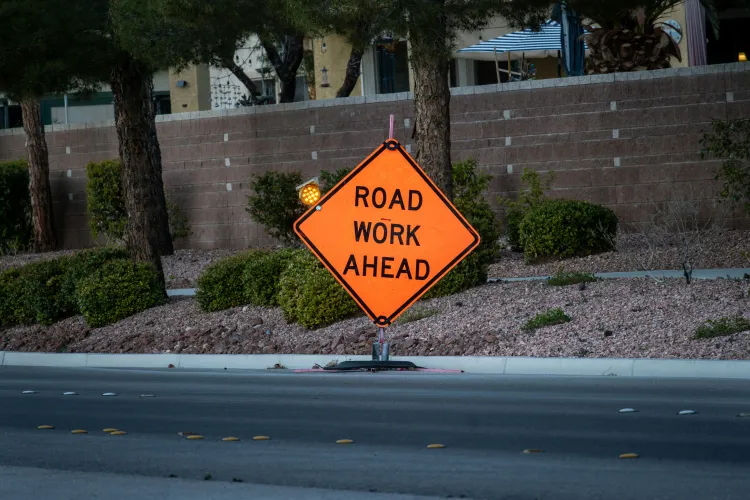
The Road Work Ahead sign warns drivers that construction, maintenance, or utility work is taking place on or near the roadway ahead. This advance warning gives you time to reduce speed, increase following distance, and prepare for changing traffic patterns, lane closures, or the presence of workers and equipment near the travel lanes.
The sign doesn't just mean "construction is happening somewhere nearby." It specifically indicates that the road conditions ahead will differ from normal driving conditions, and that these differences require your immediate attention and adjustment.
Official Definition and Purpose
According to the MUTCD (Manual on Uniform Traffic Control Devices), which governs traffic sign standards nationwide, the Road Work Ahead sign (officially designated as W20-1) serves as an advance warning to alert road users to upcoming work zones or work activity on or adjacent to the roadway.
When our team at AQC develops comprehensive traffic control plans, placement of Road Work Ahead signs follows specific distance requirements based on road type and speed limit. The goal is always to give drivers sufficient distance to recognize the warning, process the information, and adjust their driving behavior before entering the work zone.
Why Are Road Work Signs Orange?
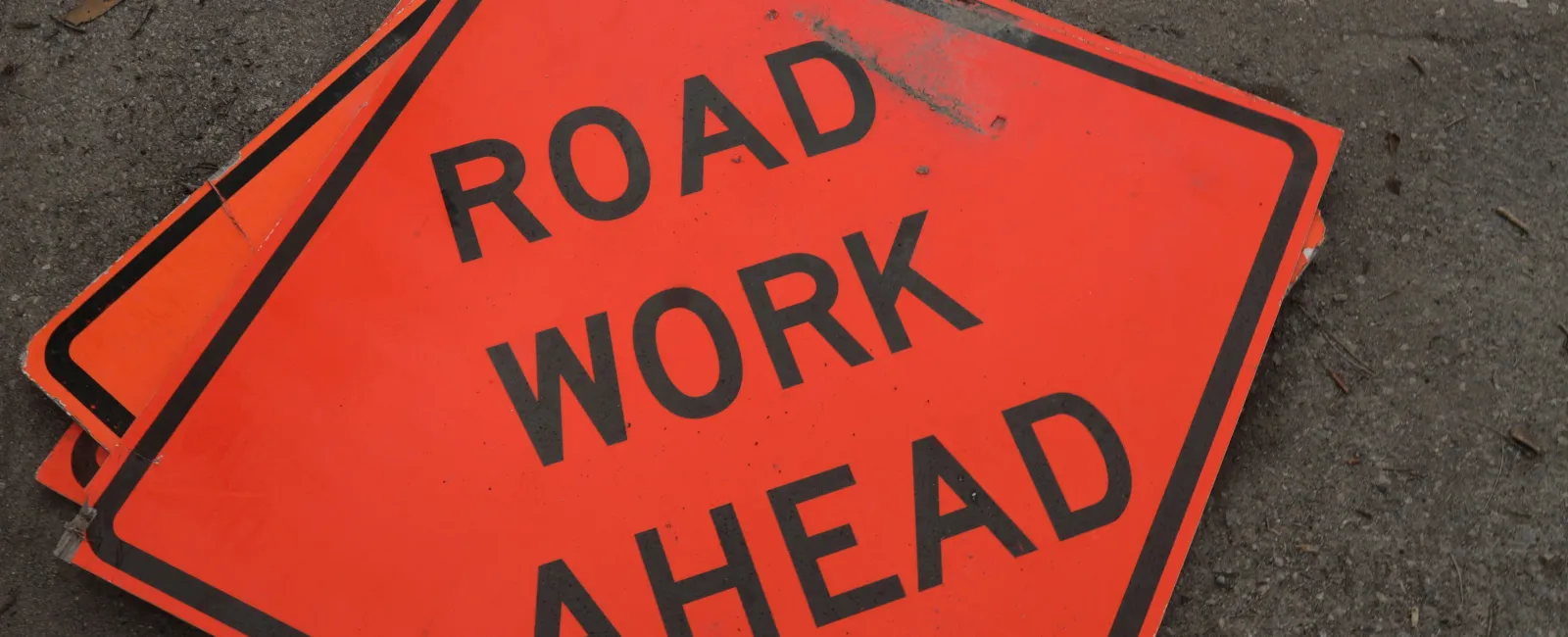
Road Work Ahead signs feature the distinctive orange background with black text or symbols, a color combination instantly recognizable as indicating construction or temporary conditions. But this color choice isn't arbitrary; it's based on decades of research into visibility, color psychology, and driver response.
The Science Behind Orange Construction Signs
Orange was specifically chosen for work zone signage because:
- High visibility: Orange provides maximum contrast against most roadway backgrounds and natural environments
- Wavelength sensitivity: The human eye is particularly responsive to orange wavelengths, allowing for earlier detection
- Psychological impact: Orange triggers alertness and caution responses in drivers
- Temporary distinction: The color clearly differentiates temporary work zones from permanent traffic control devices (which use yellow, red, or other colors)
- All-conditions performance: Orange remains visible in rain, fog, bright sunlight, and dusk/dawn lighting
The specific shade, officially called "Work Zone Orange," is precisely defined in federal standards to ensure consistency across all jurisdictions. When you see this color, your brain should immediately register: temporary conditions, increased hazard, heightened alertness required.
What Happens After You See a Road Work Ahead Sign?
The Road Work Ahead sign is just the first element in a comprehensive work zone traffic control system. Understanding what to expect after seeing this sign helps you navigate work zones more safely and confidently.
Typical Work Zone Progression
After the initial Road Work Ahead sign, you'll typically encounter:
- Additional advance warning signs: Specific information about what's ahead (lane closure, detour, reduced speed limit)
- Speed limit reduction signs: Posted work zone speed limits, often with enhanced penalties for violations
- Lane closure warnings: Signs indicating which lanes close and where merging should occur
- Channelizing devices: Traffic cones, drums, or barriers guiding you through the work zone
- Worker presence: Flaggers, equipment operators, or construction crews working near the roadway
- End work zone sign: Indicating when you've passed through the work area and can resume normal speeds
Each element builds on the previous one to create a clear communication system. The Road Work Ahead sign initiates this sequence, preparing you mentally and giving you time to adjust your driving before you reach the actual work zone.
How Far in Advance Is the Sign Placed?
The distance between Road Work Ahead signs varies based on road type and speed limit. When our team creates traffic control plans and permitting documents, we follow strict MUTCD guidelines for sign placement:
Standard Placement Distances
- Urban/residential streets (low speed): 100-500 feet before the work zone
- Collectors and arterials: 350-1,000 feet in advance
- High-speed roads (45+ mph): 500-1,500 feet ahead
- Freeways and expressways: 1,000-2,640 feet (up to half a mile) before the work zone
These distances are calculated to give drivers adequate time to perceive the sign, recognize its meaning, decide how to respond, and execute that response (e.g., slowing down, changing lanes) before reaching the work zone. On high-speed facilities, the sign might appear so far in advance that drivers sometimes wonder if they missed the work zone, but that early warning is intentional and necessary.
Common Road Work Ahead Sign Variations
While the standard "Road Work Ahead" sign is most common, you might encounter several variations that provide more specific information:
Specific Work Zone Warning Signs
- "Construction Ahead": Indicates building or major construction activity
- "Maintenance Work Ahead": Routine maintenance like pothole repair or pavement marking
- "Utility Work Ahead": Underground utility installation or repair
- "Survey Crew": Survey teams working on or near the roadway
- "Shoulder Work": Work confined to the roadway shoulder
- "Mowing Ahead": Highway maintenance mowing operations
Each variation helps drivers understand what type of work zone they're approaching, though the fundamental response, increased caution and readiness to adjust, remains the same.
How Drivers Should Respond to Road Work Ahead Signs
Seeing a Road Work Ahead sign should trigger an immediate set of responses that prioritize safety for both drivers and road workers. Here's what traffic control professionals need you to do:
Immediate Actions When You See the Sign
- Check your speed: Reduce speed even before seeing the posted work zone speed limit
- Increase following distance: Leave extra space between you and the vehicle ahead
- Scan ahead: Look for additional signs, lane closures, or equipment
- Eliminate distractions: Put down your phone, turn down the radio, and focus completely on driving
- Prepare to merge: If in a lane that might close, begin looking for opportunities to move over
- Activate headlights: Even during the day, headlights increase your visibility to workers
What NOT to Do
From our experience managing thousands of work zones, here are the dangerous behaviors we see too often:
- Don't speed up to "get through faster": This dramatically increases accident risk
- Don't tailgate: Sudden stops are common in work zones
- Don't make last-second lane changes: Aggressive merging causes crashes
- Don't ignore the sign: Assuming "there's probably no workers" can be fatal
- Don't use your phone: Distracted driving near workers is especially dangerous
Legal Requirements and Penalties
Road Work Ahead signs aren't suggestions; they're legal warnings. Most states have specific laws governing driver behavior in work zones, with enhanced penalties for violations.
Work Zone Traffic Laws
Common legal requirements in work zones include:
- Reduced speed limits are mandatory: Work zone speed limits carry the force of law
- Enhanced penalties for violations: Fines for speeding, reckless driving, or other violations are often doubled in work zones
- Move Over laws: Many states require drivers to move over or slow down for workers and equipment
- Following distance requirements: Some jurisdictions specify minimum following distances in work zones
- Distracted driving bans: Stricter enforcement of phone use and distraction laws
Beyond fines, violations in work zones can result in points on your license, mandatory traffic school, and significantly increased insurance premiums. More importantly, unsafe driving in work zones puts real people at risk, people just trying to do their jobs and get home safely.
Why Work Zone Safety Matters: The Statistics
Road Work Ahead signs exist because work zones are genuinely dangerous environments. The statistics are sobering:
- Over 100,000 work zone crashes occur annually in the United States
- Approximately 700 fatalities occur in work zone crashes each year
- More than 85% of people killed in work zone crashes are motorists, not workers
- One work zone crash occurs every 5.4 minutes nationwide
- Rear-end collisions are the most common type of work zone crash
From our perspective as traffic control professionals who work in these zones daily, every statistic represents a preventable tragedy. The Road Work Ahead sign is your first opportunity to shift into a more cautious, attentive driving mode that can prevent these crashes.
Professional Traffic Control Planning
Effective work zone safety extends far beyond placing a Road Work Ahead sign. When AQC develops professional traffic control plans, we consider:
- Traffic volume and patterns: How many vehicles will encounter the work zone and when
- Speed limits and road type: High-speed facilities require more extensive advance warning
- Work zone duration: Short-term vs. long-term projects need different approaches
- Sight distance and geometry: Curves, hills, and visibility restrictions affect sign placement
- Worker exposure: Minimizing the time workers spend exposed to traffic
- Regulatory compliance: Meeting all MUTCD, OSHA, and local requirements
The Road Work Ahead sign is just one component of a comprehensive safety system designed to protect both workers and the traveling public.
The Bottom Line: Take Road Work Signs Seriously
Road Work Ahead signs represent more than just an inconvenience or a reason to check your speedometer. They mark zones where real people, fathers, mothers, sons, and daughters, work dangerously close to high-speed traffic. They indicate areas where road conditions differ from normal and where crashes are statistically more likely.
Every time you see that orange diamond sign, remember: someone's family member is depending on you to slow down, pay attention, and navigate safely through their workplace. The few seconds you might save by speeding through a work zone aren't worth the devastating consequences of a crash.
At AQC Traffic Control, we see both sides of work zone safety. We're the ones placing the Road Work Ahead signs, and we're also the ones whose lives depend on drivers heeding those warnings. We thank you for taking work zone safety seriously.
Need Professional Traffic Control for Your Project?
Proper work zone signage and traffic control planning are essential for worker safety, regulatory compliance, and minimizing traffic disruption. AQC Traffic Control provides comprehensive traffic management services throughout metro Atlanta and the Southeast.
Our ATSSA-certified professionals design and implement traffic control systems that protect your workers while maintaining traffic flow. From short-term maintenance operations to long-term construction projects, we have the expertise and equipment to keep everyone safe.
Call us at 470-480-0348 or request a quote online to discuss your traffic control needs.